


















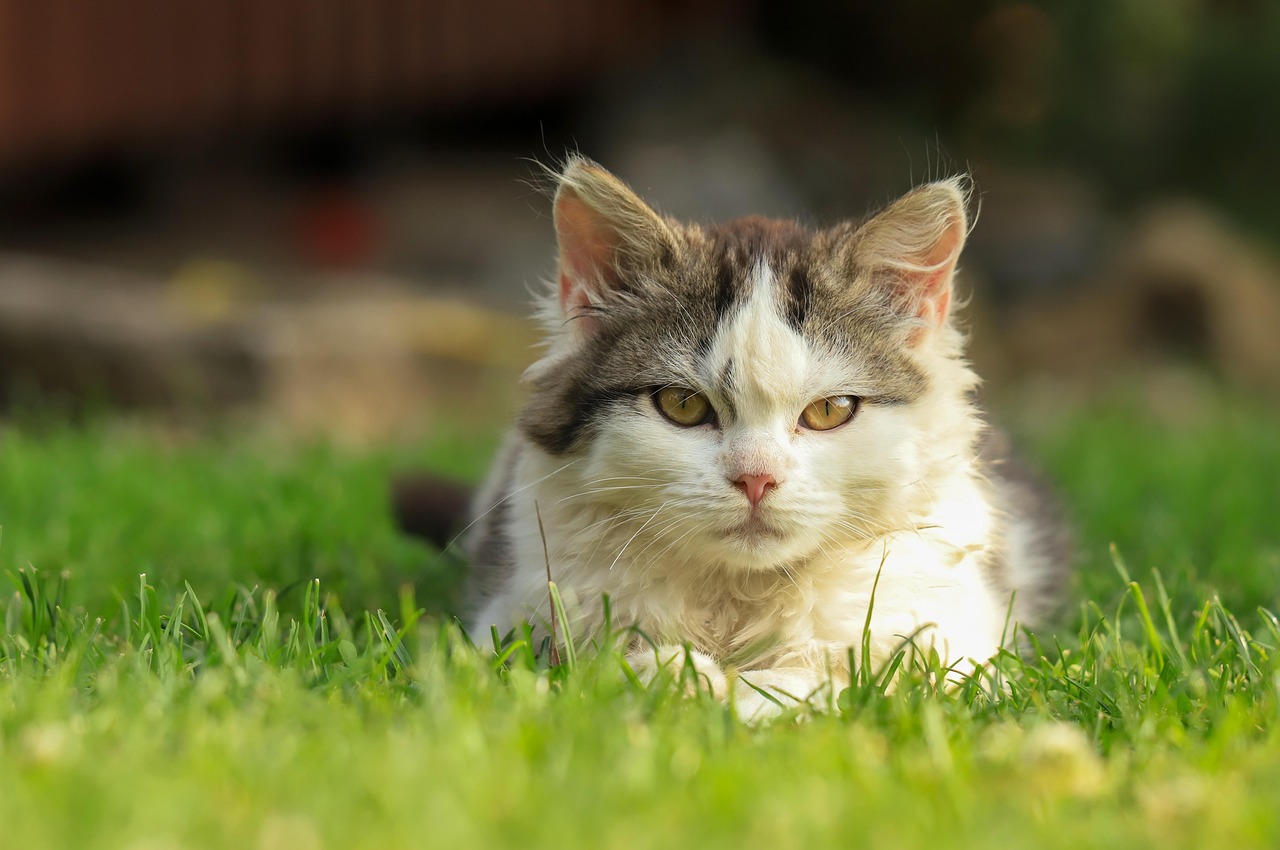
Top Picks for Medium Apartment-Friendly Cats
Choosing the perfect feline companion for a medium-sized apartment can sometimes feel like a daunting task. With considerations surrounding space, activity level, and the cat’s well-being, selecting a cat breed that thrives in a limited space is crucial. This guide explores the top picks for medium apartment-friendly cats, focusing on breeds that combine affection, a moderate need for exercise, and compatibility with indoor living, ensuring both the cat and owner enjoy a harmonious residence.
The Ideal Traits of Apartment-Friendly Cats
Apt apartment cats typically exhibit several desirable traits that make them ideal for smaller dwellings. Low tendency to vocalize loudly, minimal shedding, and an adaptive temperament are essential. They should also display reasonable activity levels that match the confined space they are in, providing a balance between playfulness and calmness.
Best Cat Breeds for Medium Apartments
1. British Shorthair
Known for their dense, plush coats and stocky build, British Shorthairs are excellent apartment cats due to their calm and easygoing nature. They’re neither overly active nor loud, which makes them perfect for apartment settings where peace is a priority. These cats also enjoy affection, making them a great companion for those living alone.
2. Russian Blue
This gentle cat breed is famous for its striking coat and bright green eyes. Russian Blues are known for their shy yet friendly disposition and their tendency to form a strong bond with their owners. Their low-maintenance coat and their famously reserved and quiet nature make them ideal candidates for smaller living spaces.
3. Scottish Fold
The Scottish Fold is renowned for its unique ear structure and large, soulful eyes, contributing to its overall charm. These cats are particularly suited for indoor living due to their calm temperament and moderate activity level. They thrive on interaction and fit well in environments that can provide gentle play and regular companionship.
4. Ragdoll
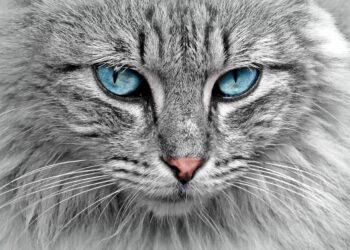
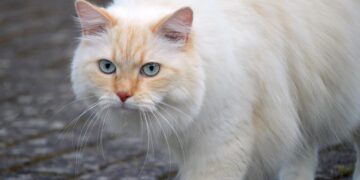
Ragdolls are large, laid-back cats known for their striking blue eyes and color-point coat. They are often referred to as “puppy-like cats” because of their tendency to follow their owners around the apartment. Ragdolls are ideal for apartment life as they are floor-loving creatures who often refrain from climbing high surfaces, reducing the risk of accidents in small, busy spaces.
5. Siamese
Though slightly more vocal, Siamese cats can also be great apartment dwellers due to their personable and predictable patterns. They’re highly social and intelligent, often demanding interaction and play, which makes them better suited for an owner who can devote daily time to engagement. Their striking appearance and deep communicative yowls add a unique presence in any home.
6. Burmese
The Burmese cat, a compact breed known for its sable coat and golden eyes, is both affectionate and adaptable. These cats prefer to be close to their owners, making them perfect for a family living in an apartment. Their playful yet not overly energetic demeanor ensures they can adapt to less space without sacrificing their happiness.
Questions to Consider Before Adopting an Apartment Cat
Before deciding on adopting a cat, ask yourself a few crucial questions to ensure the best fit:
- How much time do I spend at home? Cats that are more prone to anxiety or those who are exceptionally social might need more companionship than others.
- Do I have other pets? Some cats are more sociable than others. Setting a positive stage for pet interactions is crucial for your new and current pets’ well-being.
- Am I ready for long-term commitment? Cats can live up to 20 years. Ensuring you are ready for this time commitment is essential.
- Can I manage grooming needs? Think about whether you have the time and resources to care for cats that might require frequent grooming.
Final Thoughts on Choosing the Best Cat for Your Apartment
Choosing the right cat breed for your apartment involves weighing many factors including space, lifestyle, and personal preferences. By selecting one of the breeds highlighted, such as the British Shorthair or Ragdoll, you can ensure a happy and healthy environment for your new pet without compromising on comfort or space within your home.
Visiting local shelters and speaking with professionals can also provide deeper insights and direct encounters with potential pets, making your choice an informed and heartfelt one.