




















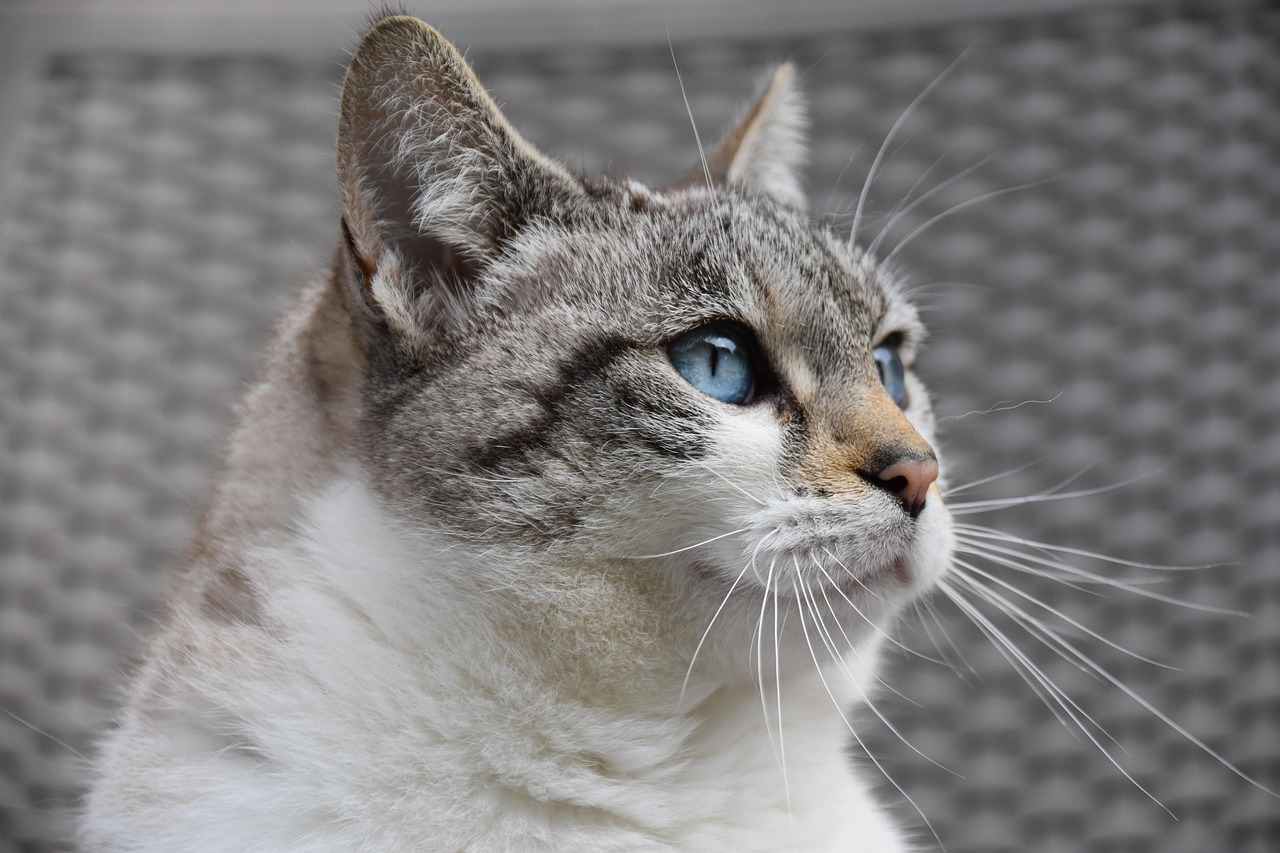
From Litter Box Training to Nutrition: A Beginner’s Guide
Bringing a new cat or kitten into your home is an exciting experience. As a pet owner, it’s crucial to provide the best care for your furry friend, which includes proper litter box training and ensuring a nutritious diet. This comprehensive guide will equip you with essential knowledge on cat care, emphasizing litter box training and nutrition.
Understanding Litter Box Training
Litter box training is a vital aspect of cat ownership. Most cats naturally seek out a sandy, granular place to eliminate, making litter box training typically straightforward. However, understanding the basics can help prevent any potential issues.
Choosing the Right Litter Box
There are several factors to consider when selecting a litter box for your cat: size, location, and the type of litter. For kittens, ensure that the box is low enough for them to enter easily. Adult cats may prefer a larger area to accommodate their size. The litter box should be placed in a quiet, low-traffic area where the cat feels safe.
The Best Cat Litter
The type of litter you choose can greatly affect how well your cat takes to using the litter box. Clumping litter is popular because it’s easy to clean, but some cats prefer non-clumping clay litter. Additionally, there are natural options like recycled paper or wood pellets. Experimenting with different types can help you find the one that your cat prefers.
Litter Box Maintenance
Keeping the litter box clean is essential for encouraging your cat to use it. Scoop the waste daily and change the litter as recommended by the product guidelines, usually once a week. A clean, odor-free box will help prevent “accidents” elsewhere in your home.
Common Litter Box Training Issues
If your cat is avoiding the litter box, consider potential stressors or health issues. Ensure the box is not in a noisy area and that it’s sufficiently cleaned. If problems persist, consult your veterinarian as it could be a sign of a health concern.
Nutrition for Your Cat
A balanced diet is crucial for your cat’s overall health and well-being. Cats are obligate carnivores, which means they require nutrients found only in animal products.
Understanding Cat Food Options
Commercial cat foods are formulated to meet the nutritional needs of cats at different stages of life. Kitten food, for instance, is richer in energy and nutrients necessary for growth. Adult cat foods provide the balanced nutrition needed by mature cats. Always look for a statement from the Association of American Feed Control Officials (AAFCO) on the packaging, which confirms the food is complete and balanced for your cat’s specific life stage.
The Importance of Protein
Protein is a crucial component of a cat’s diet and should come from high-quality animal sources. Look for foods where the main ingredients are meat, poultry, or fish. This provides not only the essential protein but also other nutrients like taurine that are vital for heart and eye health.
Wet Food vs. Dry Food
Both wet and dry foods have their advantages. Wet food helps increase water intake, which can be beneficial for a cat’s urinary tract health. Dry food is more energy-dense and can be better for dental health due to its abrasive texture. Many veterinarians recommend a combination of both to provide a balanced diet and take advantage of the benefits of each type.
Handling Dietary Changes
When changing your cat’s diet, do so gradually. Sudden changes can cause digestive upset. Introduce new food slowly, mixing it with the old brand over a week or more, increasing the proportion of new to old each day.
Addressing Common Nutritional Concerns
Cats can have specific nutritional needs based on their health. For example, older cats may need lower-calorie diets to help prevent obesity, a common problem in less active pets. Additionally, some cats suffer from allergies that may require specific dietary formulations.
Obesity in Cats
Keeping your cat at a healthy weight is important. Overfeeding and lack of exercise are the primary causes of obesity. Measure your cat’s food portions rather than leaving food out all day, and encourage play and activity.
Special Diets for Health Issues
If your cat has a chronic health condition like kidney disease or diabetes, a special diet may be necessary. Speak with your veterinarian about the most appropriate food choices based on medical needs.
Conclusion
Litter box training and proper nutrition are foundational to your cat’s health and happiness. By selecting the right litter box and maintaining its cleanliness, you set the stage for successful house habits. Nutritionally, choosing the right type of food and considering specific dietary requirements are essential. Armed with these tips, you’re well on your way to providing a healthy, loving environment for your cat.
Remember, when in doubt, always consult a professional. Veterinarians can provide invaluable advice tailored to your cat’s unique needs. Enjoy the rewarding journey of cat ownership!