


















Feline Governance: Exploring the Phenomenon of Cats Leading Cats
In the intriguing world of social animal hierarchies, the concept of feline governance is a captivating subject. Cats, both domestic and wild, exhibit various forms of social structures and governance that mirror complexity often attributed to more traditionally hierarchical animals like wolves or primates. This piece explores the fascinating phenomenon of cats leading cats, looking into how these beloved creatures organize themselves both in feral and domestic environments.
Understanding Feline Social Structures
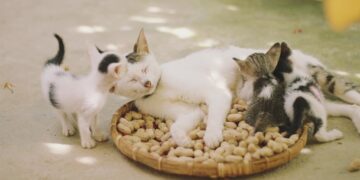
Cats are often seen as solitary creatures, but they can also form complex social groups known by researchers as colonies. These colonies are typically observed in feral cat populations where resources like food and shelter are scarce. Within these groups, a nuanced form of governance can be seen, which is vital for the survival of the colony.
Key Components of Feline Hierarchies:
- Alpha Cats: These are typically the stronger or more assertive cats that exert control over others in the colony, often dictating access to food and prime resting areas.
- Social Bonds: Female cats often form strong social bonds with their offspring and other females, which can influence colony dynamics and decision-making.
- Territorial Rights: Both male and female cats establish territories to some degree, and governance can often be about maintaining peace within these boundaries.
Leadership and Decision-Making in Cat Colonies
The concept of leadership in cat colonies differs significantly from human models. Cats do not elect a leader; instead, leadership roles are typically assumed by those who are most capable of ensuring the colony’s survival. This includes leading hunting parties, defending against threats, and mediating conflicts within the colony.
In observing these colonies, researchers note that leadership might also shift depending on the immediate needs or threats faced by the group. This flexibility in leadership is a testament to the adaptability and survival instincts of felines.
Dispute Resolution
Dispute resolution in feline colonies often revolves around subtle body language and vocalizations rather than aggressive confrontations. Dominant cats may use a stern look, a particular posture, or low growls to express discontent or command over a situation. This approach minimizes the risk of injury and maintains the overall harmony within the group.
Impact of Human Interaction on Feline Social Governance
Human interaction has a profound impact on the social structures and governance of feline communities, particularly in urban areas where humans and feral cats coexist. Feeding patterns, provision of shelter, and even neutering programs can alter the dynamics within a colony:
- Feeding: Regular feeding by humans can reduce competition for food, thereby lowering the instances of conflict within a colony and potentially diminishing the role of dominant cats.
- Shelter: Provided shelters can create new hierarchical structures as cats compete for the best spots.
- Neutering: Neutering reduces the number of new kittens and can affect territorial and mating behaviors, significantly changing the social fabric of cat colonies.
Common Questions About Feline Governance
Do all cat colonies have a clear leader?
Not all cat colonies feature a distinct leader. Leadership dynamics can vary widely depending on the size of the group, the environment, and the individual personalities within the colony.
How do new cats integrate into existing colonies?
New cats must typically earn their place within an established group. This process can involve a period of observation and gradual interaction, where the newcomer’s behavior is scrutinized by other colony members.
Can domestic cats display similar behaviors?
Yes, domestic cats often exhibit similar hierarchical behaviors, particularly in multi-cat households. This can include specific feeding spots, preferred resting places, and even control over interaction with human members of the household.
Conclusion
Understanding the nuances of feline governance requires a nuanced look at both the instinctual and learned behaviors of cats in various environments. From the solitary domestic cat to the members of a sprawling feral colony, these creatures show remarkable adaptability and complexity in their social structures. By studying these dynamics, we gain not only insights into our pets’ behaviors but also a deeper appreciation for their social intelligence and intrinsic governance capabilities.