




















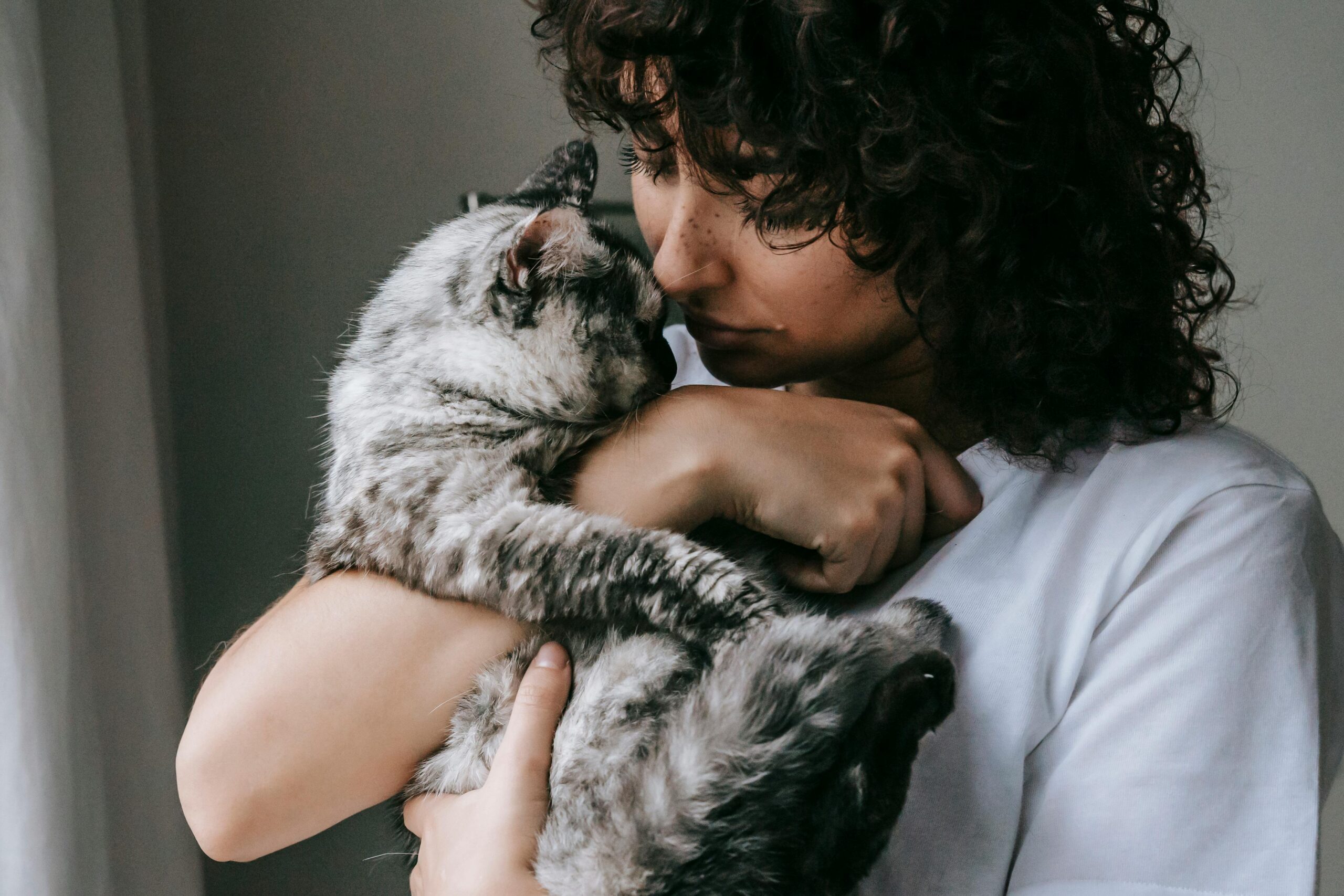
Decoding Purrs and Pounces: Understanding Your Cat’s Mysterious Behavior
Every cat owner is familiar with the thrill and sometimes bafflement that comes with interpreting their feline’s behavior. Whether it’s a loud purr or a swift pounce, cats communicate in subtle and complex ways. This comprehensive guide will help you understand your cat’s various behaviors, enhancing your bond and ensuring that your furry friend remains happy and healthy.
What Does a Cat’s Purr Mean?
Often, a cat’s purr is associated with relaxation and contentment. Research shows that cats purr when they are in a pleasurable state, which can serve as a self-soothing mechanism. However, purring is not just limited to moments of happiness; cats also purr to communicate their need for attention or when they’re recovering from distress. Fascinatingly, the frequency of a cat’s purr has been scientifically shown to promote healing and reduce inflammation.
Interpreting Different Purring Scenarios
- Contentment: A soft, steady purr while your cat is nestled on your lap typically means they are happy and relaxed.
- Healing: If your cat has been unwell, purring can be a sign that they are trying to heal themselves.
- Stress or Pain: Purring accompanied by unusual behavior could indicate discomfort or anxiety.
Understanding Your Cat’s Pouncing Behavior
Cats are natural hunters, and pouncing is a crucial part of their predatory behavior. This instinctual action allows cats to practice their hunting skills, targeting anything from toys to your moving feet. Pouncing not only keeps your cat physically fit but also sharpens their mental focus.
When to Be Concerned About Pouncing
While pouncing is normal, excessive pouncing or aggression can be signs of stress or boredom. Providing a variety of toys and engaging in daily play sessions can help channel their energy positively. However, if the behavior persists, consider consulting a veterinarian or a pet behaviorist to rule out any underlying issues.
Why Do Cats Knead?
Kneading, often referred to as “making biscuits,” is another behavior rooted in a cat’s early kittenhood. Kittens knead their mother’s belly to stimulate milk flow. In adult cats, kneading is usually a behavior associated with comfort and affection. It’s a way for them to express contentment and mark their territory with scent glands in their paws.
The Mystery of Cat Chattering
Chattering is typically exhibited when a cat is seated at a window watching birds or squirrels. This behavior could be due to frustration from not being able to chase the prey or merely excitement. The rapid jaw movements mimic the special bite used to deliver a fatal blow to their prey’s neck.
Deciphering Tail Movements
A cat’s tail is like a mood barometer. A straight-up tail generally means your cat is confident and happy, while a tucked tail can indicate fear. A fluffy tail combined with an arched back is a defensive posture meant to make the cat appear larger to a threat.
Common Tail Movements and Their Meanings
- Slow Wag: Concentration, usually during hunting or focusing on an object.
- Fast Wag: Irritation or aggression; it’s wise to give your cat some space here.
- Curved like a Question Mark: Friendly and playful mood; it’s a good time for playing.
How to Respond to Your Cat’s Behavior
Understanding your cat’s non-verbal cues can significantly improve your relationship. Always approach your cat with calmness to keep them from feeling threatened. Maintain regular playtime and keep a variety of toys to cater to their hunting instincts, which helps prevent boredom and minimize destructive behavior.
Regular veterinary check-ups can prevent health-related behavioral issues and assure a better quality of life. Moreover, setting up a safe, engaging, and comfortable environment can help alleviate stress and anxiety in cats.
Conclusion
Cat behavior can often be complex and quite mysterious to even the most dedicated pet parents. However, by closely observing and understanding the nuances of their body language, you can create a fruitful and lasting bond. Tailor your interactions based on their preferences and always provide them with a nurturing environment. Remember that each cat is unique, and adjusting to their individual needs is crucial to a joyful companionship.