




















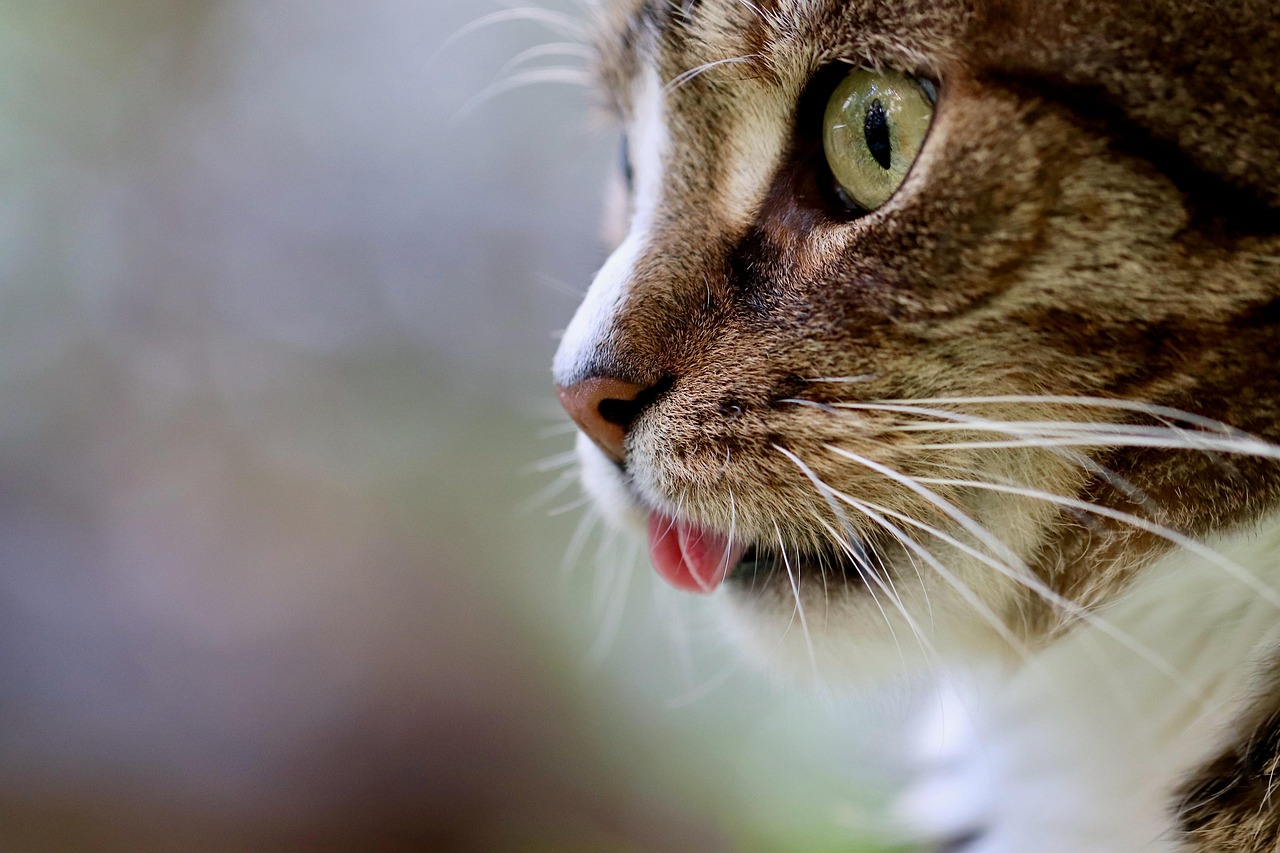
Tailored Solutions for a Happier Feline
Ensuring the happiness and health of our feline friends is more than just providing them with food and shelter, it involves understanding their unique needs and behaviors. In this guide, we’ll explore tailored solutions designed to nurture a happier and healthier cat, covering everything from nutrition to environmental enrichment.
Understanding Feline Needs
Every cat is an individual with their own preferences and needs. To start, it is crucial to comprehend the fundamental aspects that contribute to a cat’s well-being:
- Health: Regular veterinary check-ups and preventive care are fundamental.
- Diet: Feeding your cat a balanced diet suitable to their age, health status, and lifestyle.
- Environment: Providing a safe and stimulating environment.
- Behavior: Understanding natural feline behaviors and how to manage them.
Optimal Nutrition for Cats
Choosing the right diet is pivotal in maintaining your cat’s health. Cats are obligate carnivores, which means animal protein is essential for their diet. Here are some points to consider:
- Nutritional Balance: Look for foods that meet the nutritional levels established by the AAFCO.
- Life Stage: Kittens, adults, and senior cats have different dietary needs.
- Special Diets: Some cats require grain-free, limited ingredient, or prescription foods based on their health needs.
Environmental Enrichment
A stimulating environment can prevent a range of behavioral issues such as aggression, anxiety, and lethargy. Here are some effective ways to enrich your cat’s environment:
- Vertical Space: Cats love to climb and perch high. Tall cat trees and shelves can satisfy this instinct.
- Scratching Posts: These are essential for nail health and territorial marking behaviors.
- Interactive Toys: Toys that mimic prey, like feather wands and laser pointers, can provide excellent mental and physical stimulation.
- Safe Outdoor Access: A secured balcony or cat patio can provide fresh air and new sights without the risks of roaming free.
Behavioral Understanding and Management
Behavioral issues can stem from stress, boredom, or health problems. Understanding the root cause is essential to managing these behaviors effectively.
- Litter Box Issues: Ensure you have enough litter boxes (one per cat, plus one extra) and they are kept clean and placed in quiet areas.
- Aggression: Play aggression can often be mitigated by proper play and exercise. Inter-cat aggression might require more complex solutions such as reintroduction techniques.
- Anxiety: Provide safe spots and consider pheromone diffusers to alleviate stress.
Regular Veterinary Care
Regular check-ups with a veterinarian play a crucial role in your cat’s health. These visits can catch early signs of disease, offer nutritional advice, and keep vaccinations up to date. Here are some pointers:
- Annual Check-ups: Essential for keeping an eye on your cat’s health and preventing diseases.
- Dental Care: Cats are prone to dental issues, which can affect their overall health.
- Parasite Control: Regular treatments for fleas, ticks, and worms are necessary.
Introducing New Solutions and Routine Changes
Introducing new elements to your cat’s routine or environment should be done gradually. Cats are creatures of habit, and sudden changes can lead to stress. Here’s how to effectively introduce new routines:
- Gradual Introduction: Whether it’s a new diet, a new family member, or a new living arrangement, introduce changes slowly.
- Consistency: Once a new routine is established, try to keep it consistent to help your cat adjust.
- Monitor Reactions: Keep a close eye on how your cat reacts to the new changes. Any negative behaviors might be a sign of stress or discomfort.
Conclusion
Creating a nurturing environment for your cat involves a blend of appropriate nutrition, regular veterinary care, behavioral understanding, and environmental enrichment. By adopting these tailored solutions, you can ensure a healthier and happier life for your feline companion. Remember, each cat is unique, and what works for one might not work for another. Observing and adapting to your cat’s individual needs is the key to their wellbeing.
By focusing on the specific needs and behaviors of your pet, and introducing changes gradually, you can enhance your cat’s quality of life and foster a strong, joyful bond with them.
If you have any questions or need assistance regarding your cat’s health or behavior, consulting a professional veterinarian or a feline behaviorist is always a good approach.
Prioritizing your cat’s needs and well-being not only contributes to their happiness but also deepens the rewarding relationship you share with your furry family member.