




















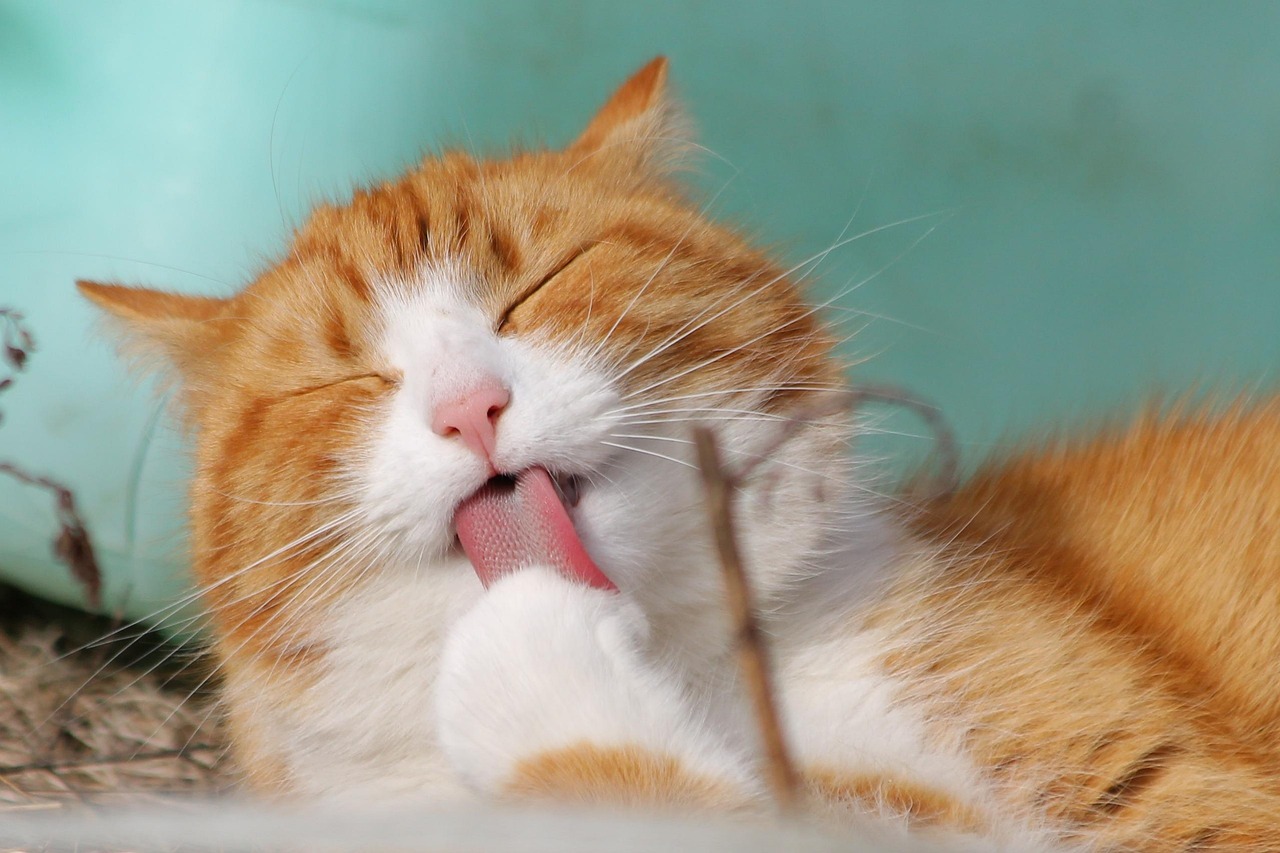
Mastering the Purr-fect Response: Insights into Cat Behavior Training
Understanding and molding the behavior of our feline friends can often seem like a daunting task. Cats, with their distinct personalities and mysterious quirks, require a nuanced approach to training that differs significantly from other pets. In this comprehensive guide, we delve deep into the world of cat behavior training, offering you practical advice and scientific insight to help you and your cat live in harmony.
The Basics of Cat Behavior
Before diving into training techniques, it’s crucial to understand some basics of cat behavior. Cats are naturally solitary hunters and this instinct influences much of their behavior. Understanding their body language, vocalizations, and natural instincts is the first step in effective training.
- Body Language: Tail flicks, ear positions, and eye dilation can all convey a cat’s mood and intentions.
- Vocalizations: From purrs to meows, each sound has a specific meaning, often tied to their interactions with humans.
- Hunting Instinct: Play is not just fun for cats, but a way to express their innate hunting instincts.
Addressing Common Cat Behavior Issues
Behavioral issues in cats can range from aggression to litter box avoidance. Each of these behaviors can be addressed through specific training strategies:
- Aggression: Often rooted in fear or territoriality, managing aggression involves providing a safe space for your cat and avoiding forced interactions.
- Scratching: Provide appropriate scratching posts and use deterrents to protect furniture while encouraging natural behavior.
- Litter Box Issues: Ensure the litter box is clean, appropriately sized, and in a quiet location. Behavioral modification may involve gradually moving the litter box to a preferred location.
Positive Reinforcement Techniques
Positive reinforcement is a cornerstone of effective cat training. This method involves rewarding desired behaviors, which encourages your cat to repeat them. Rewards can be treats, affection, or playtime. Timing is crucial; the reward must be given immediately after the desired behavior to be effective.
- Clicker Training: A clicker can be used to mark the exact moment a cat performs the correct behavior, followed by a treat.
- Leash Training: Start with short sessions in a safe, enclosed area, gradually increasing the complexity as your cat becomes more comfortable.
Enhancing Your Cat’s Environment
An enriched environment is key to a happy and healthy cat. This involves providing opportunities for your cat to engage in natural behaviors such as climbing, scratching, and hunting.
- Cat Trees and Shelves: These provide your cat with vertical space which is particularly important in multi-cat households to reduce conflict.
- Puzzle Feeders: These stimulate a cat’s mind and mimic the challenge of hunting.
- Toys: Regularly rotated toys keep your cat’s interest and provide necessary physical and mental stimulation.
Addressing Behavioral Changes
Behavioral changes in cats can be indicative of underlying health issues. It’s important to consult a veterinarian if you notice sudden changes such as increased aggression, changes in litter habits, or decreased activity levels.
Frequently Asked Questions About Cat Training
Q1: How long does it take to train a cat?
Training duration varies depending on the behavior being modified and the individual cat. Consistency and patience are key. Some behaviors can be changed in a few weeks, while others may take longer.
Q2: Are some breeds of cats more trainable than others?
While breed can influence personality, all cats are trainable. Breeds like the Siamese or Bengal may be more predisposed to interaction, which can make some training easier, but individual personality is a significant factor.
Q3: Can older cats still be trained?
Yes, older cats can learn new behaviors. The training might require more patience and the introduction of training sessions may need to be more gradual, but age is not a barrier to learning.
Final Thoughts
Cat behavior training is not just about correcting undesired behaviors but also about understanding and enhancing your relationship with your feline companion. By investing time in training, you ensure a happier, healthier life for both you and your cat.
With consistency, patience, and the right techniques, mastering the purr-fect response in your cat’s behavior is not only achievable but also a rewarding experience that strengthens the bond between you and your pet.