




















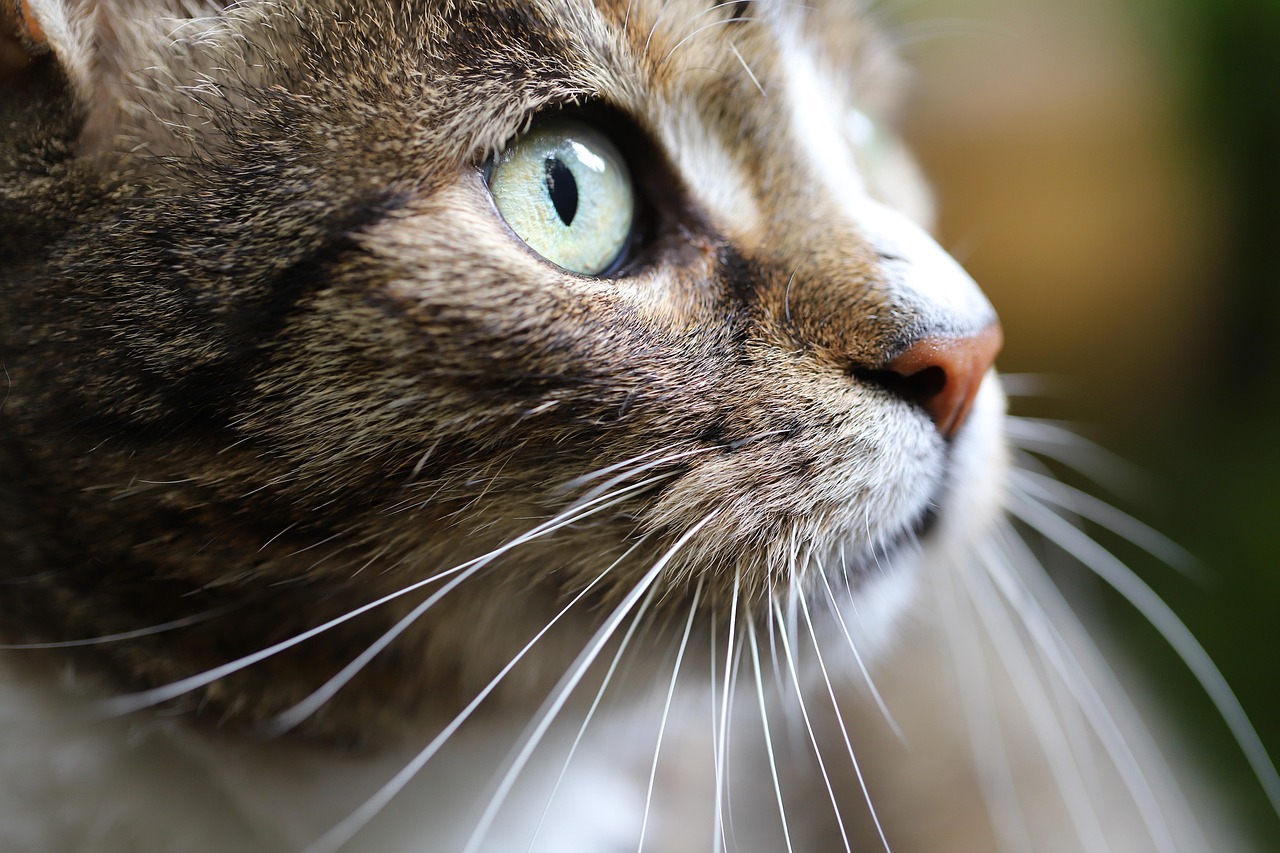
Cat Vaccination Essentials: Protecting Your Feline Friend
Vaccinating your cat is one of the most effective ways to promote a long, healthy life. Despite varying opinions about vaccinations, the consensus among veterinarians is clear: the benefits of vaccinating pets vastly outweigh the risks. In this comprehensive guide, we delve into the essentials of cat vaccinations, addressing common questions and providing useful insights to ensure your feline friend gets the best protection.
Understanding Cat Vaccines
Cat vaccines are designed to prepare the immune system to defend itself against invasion by disease-causing organisms. Vaccines contain antigens, which mildly stimulate the immune system by mimicking disease-causing pathogens but without causing the actual disease. This preparation enhances your cat’s immune system readiness against future infections.
Core vs. Non-Core Vaccines
Vaccines for cats are categorized into core and non-core vaccines. Core vaccines are recommended for all cats, regardless of their lifestyle or location. They protect against diseases that are widespread, cause severe illness, or are potentially fatal. These include:
- Rabies
- Feline Calicivirus (FCV)
- Feline Herpesvirus Type I (FHV-I)
- Feline Panleukopenia (Feline Distemper)
Non-core vaccines are optional vaccines that should be considered in light of factors such as exposure risk, geographic location, and the cat’s overall health. Common non-core vaccines include:
- Feline Leukemia Virus (FeLV)
- Feline Immunodeficiency Virus (FIV)
- Chlamydophila felis
- Bordetella
When to Vaccinate Your Cat
The age at which kittens should start receiving vaccinations can vary, but most veterinarians agree that the first series of vaccines should begin at around 6-8 weeks of age, with boosters administered every 3-4 weeks until they are about 16 weeks old.
Adult cats require booster vaccines, often annually or every three years, depending on the vaccine type, the cat’s health status, and the prevailing vet’s advice. It is crucial to follow a scheduled timetable for vaccinations to maintain the vaccine’s effectiveness.
Common Misconceptions about Cat Vaccinations
There are several misconceptions concerning cat vaccinations that can deter pet owners from following through with their cats’ medical needs. Here are a few clarified:
- Myth: Indoor cats don’t need vaccines. Truth: Indoor cats can also be exposed to viruses and bacteria that can be brought into the home on clothing and shoes or through open windows and doors.
- Myth: Vaccines can cause the diseases they’re meant to protect against. Truth: Modern vaccines are highly purified and safe, which means they do not cause the diseases against which they protect.
- Myth: Once vaccinated, my cat is protected for life. Truth: Most vaccines require regular boosters to maintain effective immunity. Your vet will provide a schedule based on your cat’s specific needs.
Vaccine Side Effects
Like any medical intervention, vaccines can come with side effects, although serious side effects are rare. The most common reactions are mild and short-term, including:
- Soreness at the injection site
- Fever
- Lethargy
- Reduced appetite
In very rare cases, cats can have an allergic reaction to a vaccine. Signs of a serious reaction include difficulty breathing, severe coughing, swelling, and vomiting. If you notice these symptoms, contact your veterinarian immediately.
Choosing the Right Vaccines for Your Cat
Selecting the right vaccines for your cat involves a discussion with your veterinarian, who will assess your cat based on various factors such as age, medical history, environment, and lifestyle. An indoor-only senior cat, for example, may have different vaccine needs than a young outdoor cat.
The Importance of an Individualized Vaccination Schedule
A personalized vaccine schedule for your cat is crucial because it takes into consideration the specific risks and lifestyle of your pet. It is essential to work with your vet to understand what your cat needs to stay healthy. This customized approach ensures that your cat isn’t under or over-vaccinated, maintaining optimal health.
Conclusion
To sum up, cat vaccinations are a vital part of preventive health care. Understanding the types, schedules, and side effects associated with them helps you make informed decisions about your cat’s health. With the support of a knowledgeable vet, you can develop a vaccination strategy that will keep your beloved feline companion healthy and happy for years to come.
Remember, a vaccinated cat is not only a healthier cat but also contributes to a healthier environment by helping prevent the spread of infections to other animals – and in some cases, humans. Keep these points in mind and follow through with your veterinarian’s guidance to ensure your pet lives a full, vibrant life.