




















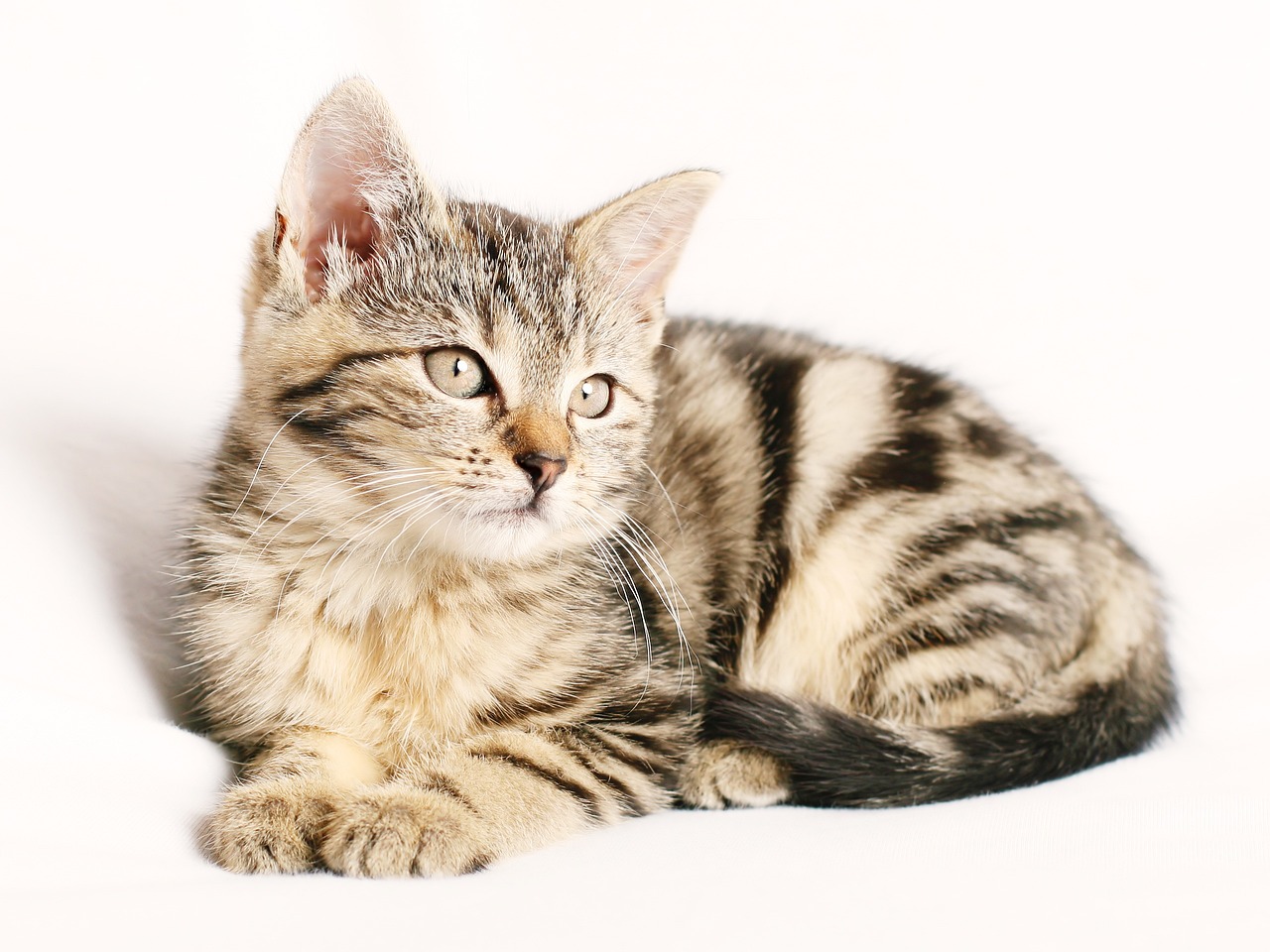
Understanding and Managing Cat Allergies
Introduction to Cat Allergies
Cat allergies are a common dilemma for many pet lovers, often deterring them from owning a cat. These allergies are triggered by proteins found in a cat’s dander, saliva, and urine. Understanding cat allergies, recognizing their symptoms, and finding effective treatments can greatly improve quality of life for both humans and their feline friends. This article delves into the essentials of diagnosing and managing cat allergies, ensuring that even allergic individuals can enjoy the companionship of cats.
Symptoms of Cat Allergies
Recognizing the symptoms of cat allergies is crucial for timely diagnosis and treatment. Common symptoms include itchy eyes, runny nose, sneezing, coughing, and in severe cases, asthma symptoms such as wheezing and difficulty breathing. Skin reactions are also possible, such as hives or a rash on the chest and face. These symptoms can range from mild to severe and may develop immediately after exposure or even hours later.
Diagnosing Cat Allergies
Accurate diagnosis starts with a visit to an allergist. A skin-prick test or a specific IgE blood test can confirm a cat allergy. During a skin-prick test, a small amount of allergen is introduced to the skin; the development of a wheal (a raised, red, and itchy area) indicates a positive reaction. A blood test, meanwhile, measures the amount of cat-specific IgE antibodies in the bloodstream.
It’s important to differentiate between cat allergies and other types of allergies, as symptoms can overlap. Detailed medical history and testing help establish a clear diagnosis.
Treatment Options for Cat Allergies
There are several strategies to manage cat allergies, ranging from minimizing exposure to allergens to using medications and undergoing immunotherapy.
1. Allergen Avoidance
The first line of defense against cat allergies is to avoid the allergens. This can include using high-efficiency particulate air (HEPA) filters in your home, vacuuming regularly with a HEPA vacuum cleaner, washing bedding frequently, and keeping the cat out of the bedroom. Bathing your cat weekly can also reduce the level of allergens on fur.
2. Medications
Over-the-counter and prescription medications can help relieve symptoms of cat allergies. Antihistamines, decongestants, nasal corticosteroids, and leukotriene inhibitors are common treatments that can help manage sneezing, runny nose, itchy eyes, and other symptoms. Consulting with a healthcare provider is essential to choose the right medication and dosage.
3. Immunotherapy
For long-term relief, allergen immunotherapy, also known as allergy shots, can be an effective treatment. This involves injecting small amounts of the allergen over several years to gradually desensitize the immune system. Recently, sublingual immunotherapy (SLIT) tablets that dissolve under the tongue have become available for certain allergens, including cats.
Lifestyle Adjustments
Making small lifestyle changes can significantly mitigate allergic reactions. These include installing air purifiers in living spaces, opting for hard flooring over carpets, and using washable curtains and blinds. Additionally, reducing clutter where dander can accumulate also helps in reducing allergens.
Frequently Asked Questions
Can you suddenly become allergic to cats?
Yes, it is possible to develop allergies to cats at any point in life, even if you have lived with cats previously without any allergic reactions.
Can cat allergies go away over time?
In some cases, individuals may find their sensitivity to allergens decreases over time, either due to decreased exposure or through immunotherapy. However, it is rare for allergies to completely disappear.
Are certain breeds of cats better for people with allergies?
While no cat breed is completely hypoallergenic, some breeds are known to produce fewer allergens than others. Breeds such as the Siberian or Balinese are said to have lower levels of the FEL d1 protein, which is a primary allergen found in cats.