




















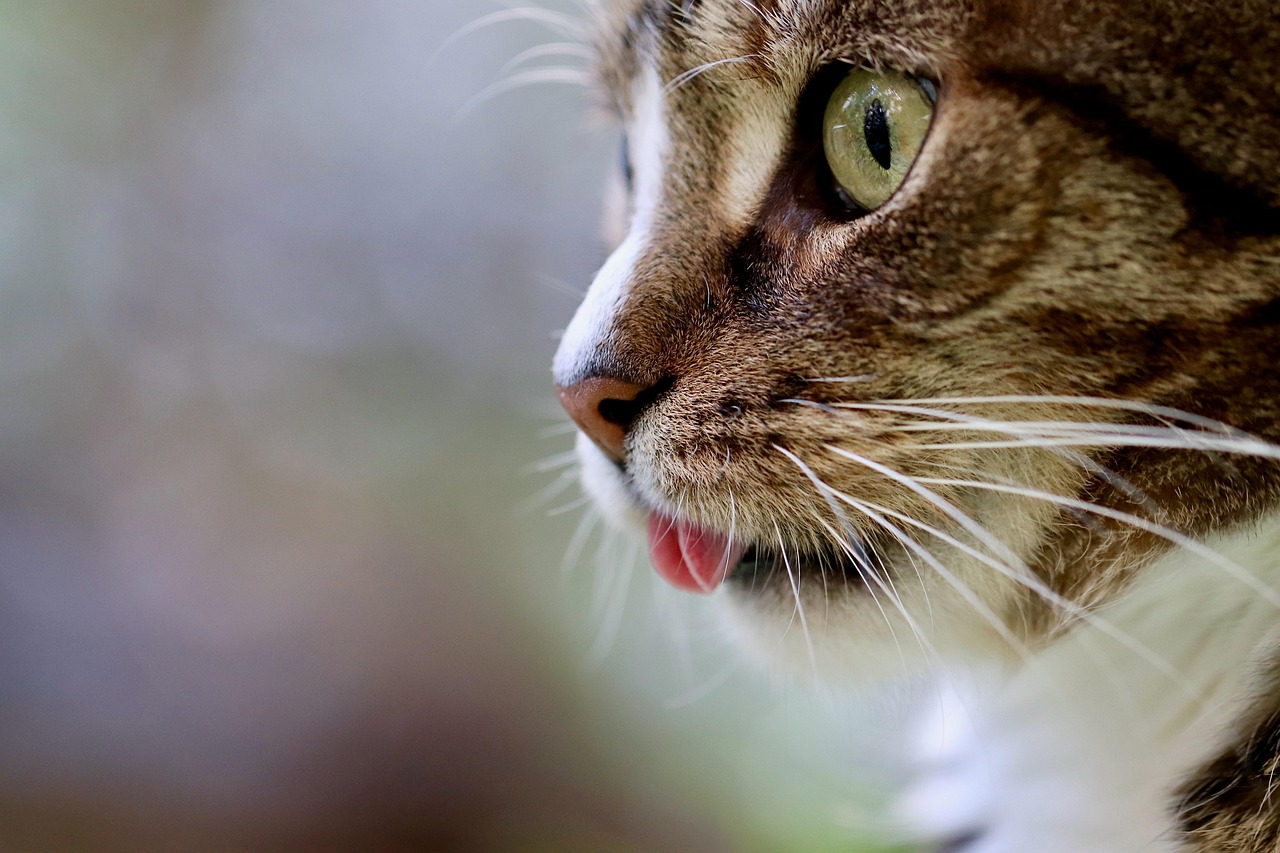
Essentials of Feline Nutrition
Understanding the basics of feline nutrition is crucial for maintaining the health and happiness of your cat. This comprehensive guide will explore what your cat needs to thrive, how to choose the best cat food, and address common dietary concerns and questions. Whether you’re a new cat owner or looking to refine your long-time feline friend’s diet, this article will provide you with essential information and practical tips.
What Do Cats Need in Their Diet?
Cats are obligate carnivores, which means that they rely on nutrients found only in animal products. The essentials of a cat’s diet should include high protein content, fats, and certain amino acids like taurine, which are pivotal for their health.
- Protein: Cats require a high protein diet from animal sources to support their muscle mass and vital body functions.
- Fats: Essential fatty acids in fats help maintain a cat’s skin and coat health.
- Taurine: An essential amino acid for cats, taurine supports heart and eye health and is found only in animal-based proteins.
Choosing the Right Cat Food
Selecting the right food for your cat can be daunting with so many options available. Consider the following tips:
- Read Labels: Look for products that list a meat, meat byproducts, or seafood as the first ingredient.
- Age Appropriate: Ensure the food is appropriate for your cat’s life stage – kitten, adult, or senior.
- Special Dietary Needs: Be mindful of any special dietary requirements your cat may have, such as food allergies or sensitivities.
Nutritional Guidelines for Cats
The Association of American Feed Control Officials (AAFCO) provides guidelines that help pet owners determine if a cat food meets the necessary nutritional levels. Foods adhering to these guidelines will display a statement on their packaging indicating that the product is “complete and balanced”. This is an excellent first step in assessing cat food quality.
Raw Diets and Homemade Food
Some owners choose to feed their cats a raw diet or homemade food. While these can offer fresh, wholesome ingredients, they require careful planning to ensure nutritional adequacy:
- Supplementation: Raw and homemade diets often need specific supplements to meet all of your cat’s nutritional needs.
- Hygiene: Raw diets carry a risk of bacterial contamination that can affect both pet and human health.
- Consult Your Vet: Always discuss any diet changes with your veterinarian, particularly when switching to a raw or homemade diet.
Common Feline Dietary Concerns
Several common dietary concerns can impact cats. Being aware of these can help you better manage your cat’s health.
- Obesity: Overfeeding, lack of exercise, or an imbalance in the diet can lead to obesity, predisposing cats to other health issues like diabetes.
- Urinary Health: Poor diet can contribute to urinary tract health problems. Diets that help control urinary pH and lower stone-forming compounds can manage or prevent this issue.
- Food Allergies: Cats, like humans, can develop allergies to proteins found in their food, leading to skin or gastrointestinal issues. Hypoallergenic diets can help address this.
Frequently Asked Questions (FAQs)
How often should I feed my cat?
This can depend on your cat’s age, health status, and specific dietary needs. Generally, adult cats do well with two meals a day. Consult your veterinarian for advice tailored to your cat.
Is dry food or wet food better for my cat?
Both types of food can provide adequate nutrition when formulated correctly. Wet food can help increase water intake and may be better for cats with urinary tract issues, whereas dry food is convenient and may help with dental health thanks to its abrasive texture.
What should I do if my cat is a picky eater?
Try different food textures, temperatures, or flavors, and always ensure the food is fresh. Sometimes, warming the food to just below body temperature can make it more appealing.
Conclusion
Proper nutrition is a cornerstone of your cat’s overall health. By understanding the essentials of feline nutrition and being mindful of your cat’s specific dietary needs, you can ensure that your beloved pet lives a long, healthy, and happy life. Always consult your veterinarian with any concerns or questions about your cat’s diet, especially when considering significant dietary adjustments.