




















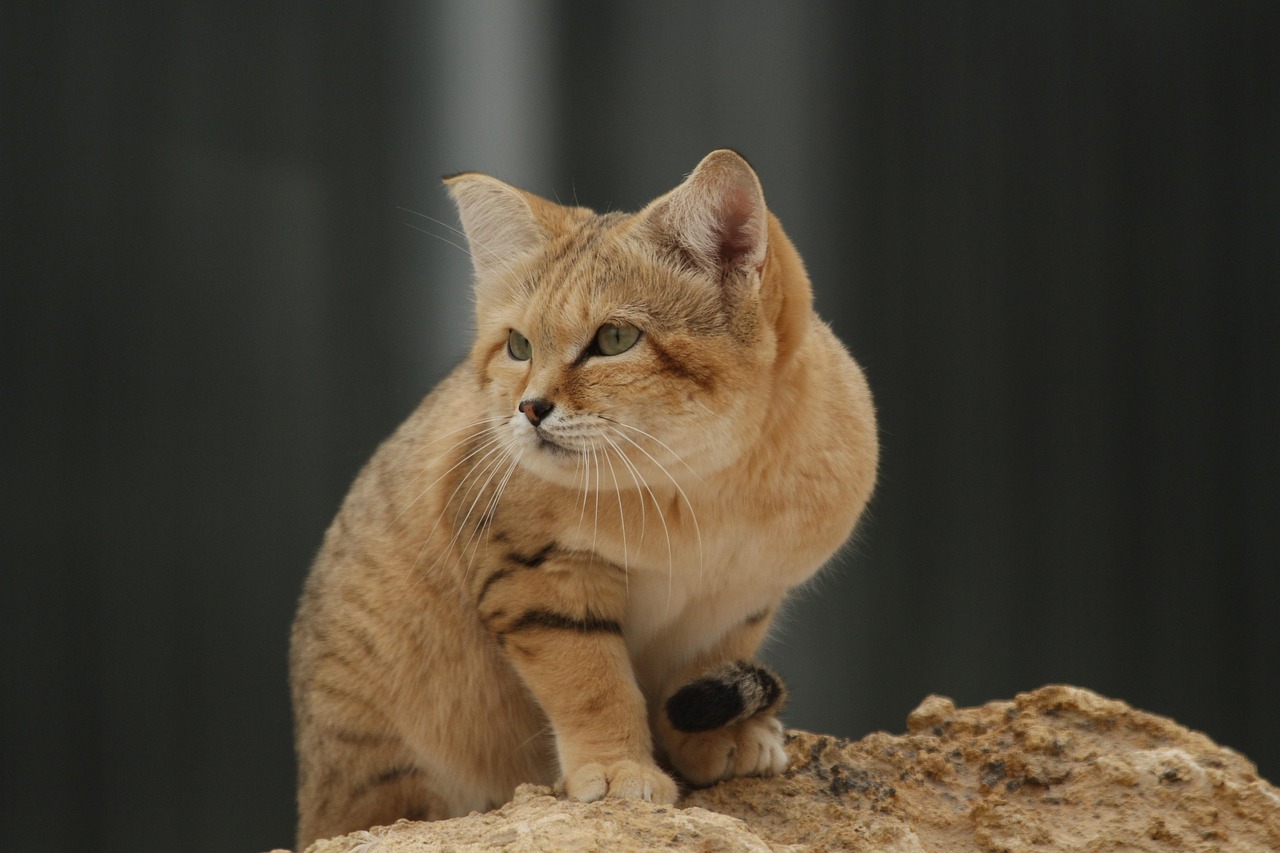
Gentle Feline Companions: The Charm of Calm
Cats are renowned for their serene demeanor and comforting presence, making them ideal companions for those seeking a calm and gentle pet. In this comprehensive guide, we’ll explore why certain cat breeds are known for their tranquility, how to nurture a calm environment for any cat, and the overall benefits of having a gentle feline friend.
Understanding the Calm Feline Temperament
Not all cats are created equal when it comes to temperament. Some breeds are naturally more laid-back and easygoing, making them perfect for families, seniors, or individuals with a quieter lifestyle. Breeds like the British Shorthair, Ragdoll, and Persian are often celebrated for their docile nature and ability to adapt to less active environments.
Factors Contributing to a Cat’s Calm Nature
- Genetics: Certain breeds have a genetic predisposition to being calm and docile.
- Environment: A stable and quiet environment can enhance a cat’s natural calmness.
- Age: Older cats tend to be more relaxed than kittens, who are usually inquisitive and energetic.
Nurturing a Calm Environment for Your Cat
Creating a peaceful home environment is essential for maintaining your cat’s calm demeanor. This includes physical space as well as the general atmosphere of your home.
Creating a Safe Haven
To help your cat feel secure and relaxed, consider the following tips:
- Cozy Spaces: Provide multiple quiet corners with soft bedding and low light.
- Consistent Routine: Cats are creatures of habit and thrive on predictability.
- Minimal Noise: Reduce loud sounds and sudden noises to keep your feline friend from feeling anxious.
The Health Benefits of Calm Cats
The presence of a gentle cat can have numerous health benefits for their owners. Their soothing presence is more than just enjoyable—it can be healing.
Reducing Stress and Anxiety
Studies show that interacting with cats can lower blood pressure and stress levels, making them great companions for those with high-stress lives or conditions that affect mental health.
Enhancing Emotional Well-being
The companionship of a calm cat can combat feelings of loneliness and depression and provide a sense of purpose and joy.
Choosing the Right Calm Cat for You
When deciding to adopt a gentle feline, consider your lifestyle and the specific traits you are looking for in a cat. Visiting local shelters and spending time with different cats can help you find a feline whose temperament aligns with your needs.
Considerations for Potential Cat Owners
- Lifestyle Compatibility: Ensure the cat’s energy levels and temperament match your own.
- Health Needs: Some calm cat breeds may have specific health needs due to their genetics.
- Age Factor: Remember that kittens generally grow calmer as they age, while adult cats usually display their true temperament more clearly.
Common Questions About Calm Cat Breeds
Are calm cat breeds harder to train?
Not necessarily. Calm cat breeds can be just as trainable as more active breeds, especially if training is consistent and adapted to their temperament.
Do calm cats get along with other pets?
Yes, many calm cat breeds are known for their ability to coexist peacefully with other pets, particularly when introduced correctly.
How do I ensure my cat remains calm and healthy?
Regular veterinary check-ups, a balanced diet, and a stable home environment are vital in maintaining your cat’s health and serenity.
Conclusion
Gentle feline companions offer a unique form of friendship characterized by peace and quiet comfort. Whether you are an experienced cat owner or considering your first pet, choosing a calm cat can lead to a deeply rewarding relationship filled with love and tranquility.