




















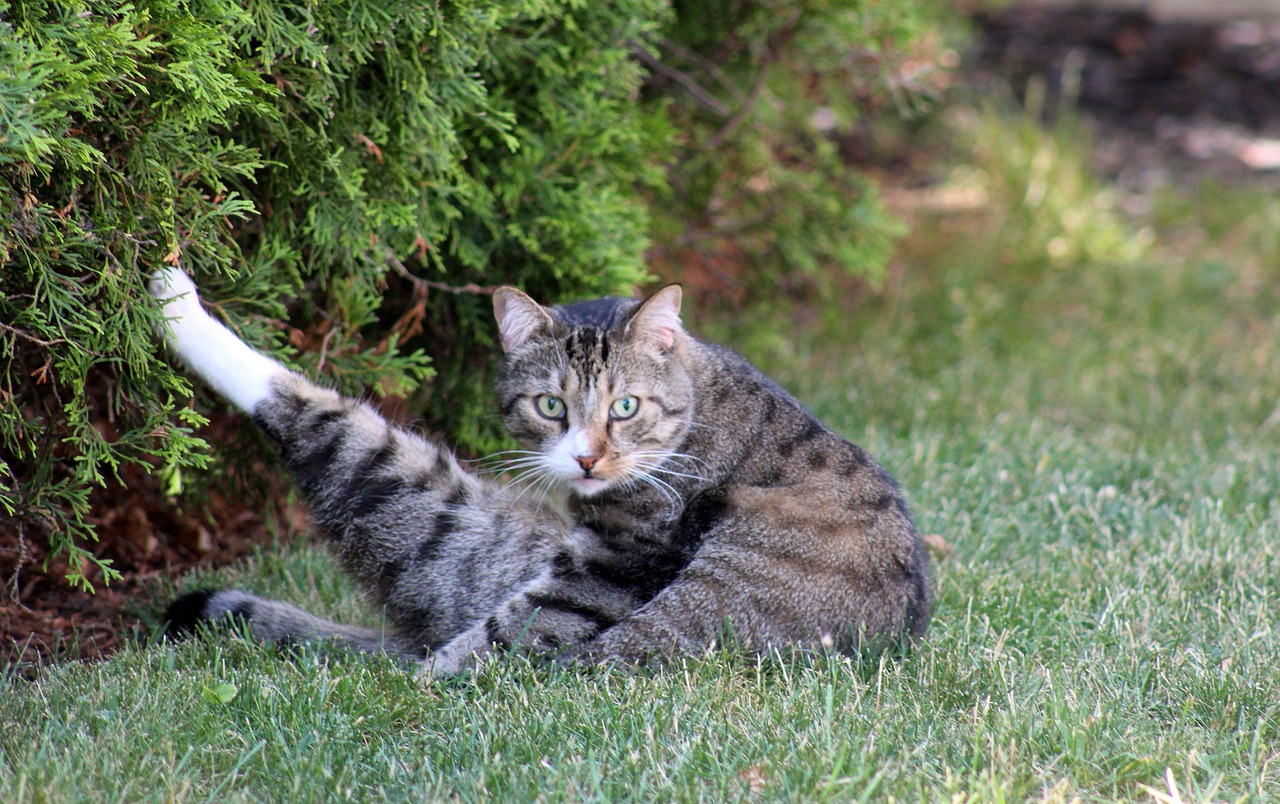
Mastering Meows: Effective Techniques for Cat Behavior Training
Whether you’re a long-time cat owner or new to feline companionship, understanding and shaping your cat’s behavior can be both rewarding and challenging. This article explores effective strategies for cat behavior training, tackling common issues, and answering prevalent questions to help you build a harmonious relationship with your furry friend.
Understanding Cat Behavior
Before diving into training techniques, it’s crucial to understand the basics of cat behavior. Cats are naturally independent creatures with a strong territorial instinct. Their behavior often revolves around basic needs such as hunting, playing, feeding, and social interaction.
By recognizing these instincts and behaviors, you can create a training regimen that respects their nature while curbing unwanted behaviors. For instance, providing ample playtime can help reduce aggression or destructive scratching by fulfilling your cat’s hunting instinct.
Essential Training Techniques for Cats
1. Positive Reinforcement
Positive reinforcement is the cornerstone of effective cat training. This technique involves rewarding your cat for desirable behavior with treats, praise, or affection. This reinforcement makes the behavior more likely to be repeated. For instance, if your cat uses a scratching post instead of your sofa, immediate praise and a treat can reinforce this good behavior.
2. Clicker Training
Clicker training, a popular method in dog training, can also be remarkably effective with cats. This method uses a clicker to mark the exact moment a desired behavior occurs, followed immediately by a reward. Over time, your cat will associate the click sound with positive outcomes, encouraging repeat behavior.
3. Setting Boundaries
It’s important to establish and enforce boundaries consistently. If, for example, counter surfing is an issue, ensure that all family members discourage this behavior by gently but firmly placing the cat back on the floor every time they jump onto the counter.
Addressing Common Cat Behavior Issues
Aggression and Biting
Aggression in cats can stem from fear, miscommunication, or territorial disputes. If your cat shows signs of aggression, it’s important to first rule out medical issues by visiting a veterinarian. Post that, training techniques like redirecting their aggression towards toys or using pheromone diffusers can help soothe and calm them.
Inappropriate Scratching
Inappropriate scratching is a common issue for cat owners. Encouraging the use of scratching posts or pads will keep their claws busy and away from furniture. Double-sided tape or furniture covers can also discourage scratching on undesired surfaces.
Litter Box Problems
Improper litter box usage can stem from a variety of issues, including dirty litter boxes, inappropriate box placement, or even health problems. Ensure the litter box is cleaned regularly, easily accessible, and in a quiet location. If the problem persists, consult a veterinarian to rule out health issues.
Frequently Asked Questions About Cat Behavior Training
Can older cats still be trained effectively?
It is absolutely possible to train older cats though it might require more patience. The key lies in finding the right motivation and consistently applying the training techniques.
How long does it take to train a cat?
The duration of training largely depends on the specific behavior you are trying to enforce or modify and the individual cat’s personality. Consistency is more critical than the quantity of training.
What should I avoid during cat training?
Avoid using negative reinforcement such as shouting or physical punishment, as these can induce stress and worsen behavioral issues.
Tools and Resources for Successful Cat Training
Equip yourself with the right tools to aid in training your cat. These can include:
- Clickers for clicker training
- Treats for positive reinforcement
- Interactive toys to engage their hunting instinct
- Pheromone diffusers to reduce stress
Conclusion
Mastering the art of cat training requires patience, understanding, and a bit of creativity. By implementing these effective training techniques and consistently using positive reinforcement, you can enhance your cat’s behavior, strengthen your bond, and ensure a happier home environment for everyone involved.
Remember, each cat is unique and may respond differently to various training methods. Be patient and persistent, and celebrate small victories on your journey to mastering meows.
To further explore the intricacies of cat behavior and find more tailored advice, consider consulting feline behavior specialists or accessing additional online resources dedicated to pet training.