


















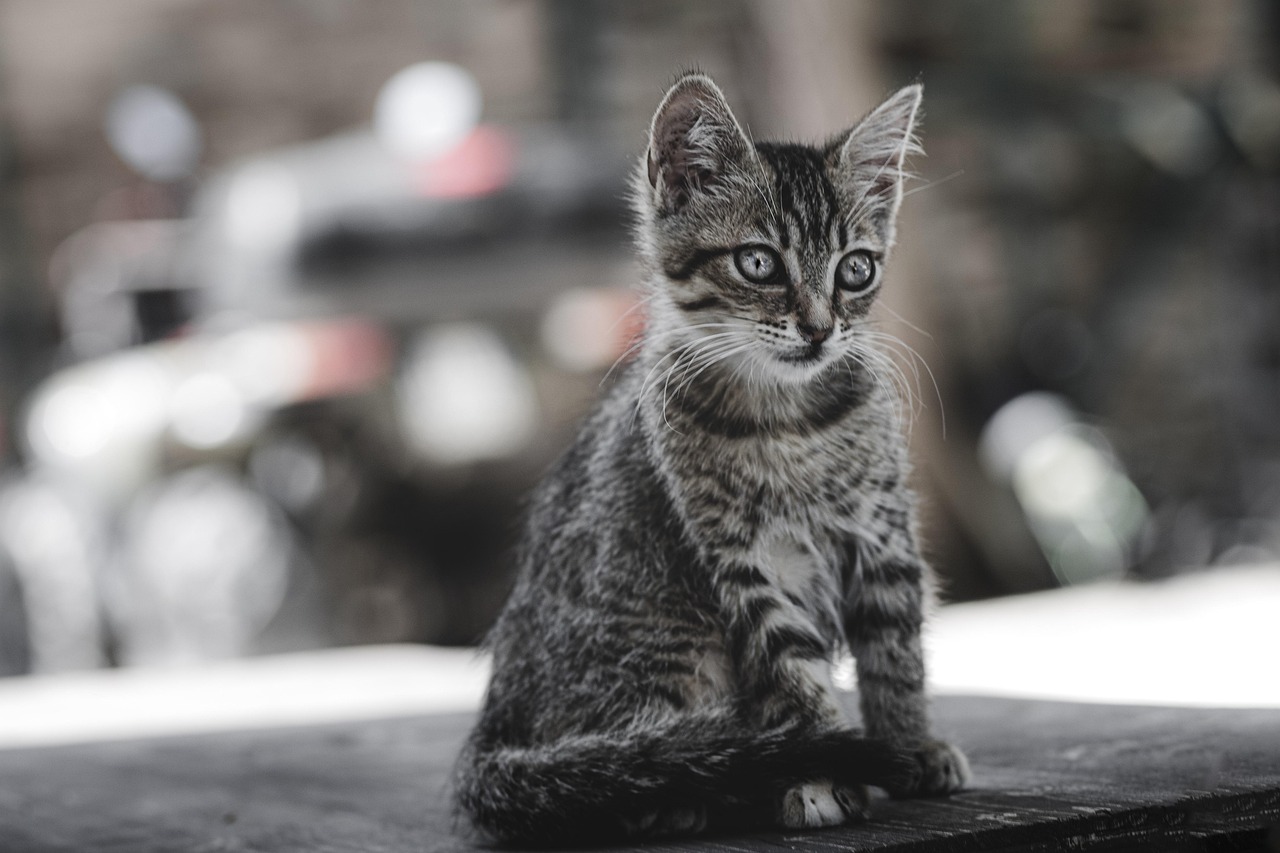
Perfect Pals: Small Hypoallergenic Cats That Are Easy to Train
For many cat lovers, allergies can be a significant barrier to enjoying the companionship of a furry friend. However, small hypoallergenic cats offer a solution that can fit into nearly any lifestyle or living space. Not only are these small breeds less likely to trigger allergic reactions, but many are also surprisingly easy to train, making them perfect companions for a wide variety of cat enthusiasts.
Hypoallergenic Cats: Understanding the Basics
Despite common beliefs, no cat breed is completely hypoallergenic. However, some breeds produce fewer allergens than others. Typically, people are allergic to Fel d 1, a protein found in cat saliva, urine, and dander. Some cats produce less of this protein, and their fur does not trap as much of it, which can reduce allergic reactions in sensitive individuals.
Top Small Hypoallergenic Cat Breeds
The Devon Rex
The Devon Rex, known for its playful and mischievous personality, boasts short, curly fur that sheds very little, making it one of the top choices for allergy sufferers. These cats are not only manageable in size but are also highly affectionate and adaptable to various training routines, including leash training and performing tricks.
The Sphynx
While the nearly hairless Sphynx may not be everyone’s cup of tea visually, it’s hard to beat when it comes to hypoallergenic qualities. The lack of fur reduces the spread of allergens, although regular bathing is necessary to remove the oil build-up on their skin, which can carry allergenic proteins.
The Cornish Rex
Similar to the Devon Rex, the Cornish Rex features short, curly fur that sheds very minimally. These cats are known for their acrobatic antics and energetic nature. They are highly trainable and can often be seen engaging in active play and interactive games with their owners.
Training Your Hypoallergenic Cat
Contrary to the stereotype that cats are independent to the point of being untrainable, many cat breeds, especially the smaller, hypoallergenic ones, are quite intelligent and capable of learning a variety of commands and tricks.
Basic Commands and Tricks
Training should start with basic commands like ‘come’, ‘sit’, or ‘stay’. Treats can be an effective motivator, but it’s important to keep training sessions short and enjoyable. Cats, especially breeds like the Devon Rex and Cornish Rex, respond well to positive reinforcement such as verbal praise and petting.
Litter Training
Most cats instinctively use a litter box, but sometimes a hypoallergenic kitten might need a little guidance. Place them in the litter box after meals and naps and praise them when they use it. Keeping the litter box clean is also crucial to encourage regular use.
Leash Training
Leash training is particularly useful for small indoor cats, giving them a chance to explore the great outdoors safely. Start by letting your cat wear a harness around the house, gradually introducing the leash. Reward any positive interaction with the harness and leash with treats and affection.
Common Questions About Hypoallergenic Cats
Are Hypoallergenic Cats Completely Allergen-Free?
No, “hypoallergenic” does not mean allergen-free, but these cats produce fewer allergens than other breeds. Individual reactions can vary widely among people with cat allergies.
What Else Can I Do to Reduce Allergens at Home?
Frequent vacuuming, using air purifiers, restricting the cat’s access to certain areas like bedrooms, and regular grooming can help minimize allergens at home.
Are Small Hypoallergenic Cats Good with Kids and Other Pets?
Many small hypoallergenic cats are known for their friendly nature and can get along well with children and other pets, provided they are introduced properly and socialized from a young age.
Choosing the Right Hypoallergenic Cat
When deciding on the right breed, consider your lifestyle and the amount of time you can dedicate to grooming and interaction. Visit breeders or shelters and spend time interacting with different cats to see how you react to them and to gauge their personality.
Small hypoallergenic cats bring a bundle of joy and energy into any home. With their manageable size, reduced allergen production, and trainability, they are an ideal choice for both novice and experienced cat owners looking for a new feline friend.
Conclusion
Whether you are an allergy sufferer or simply prefer a cat that is manageable and trainable, a small hypoallergenic cat could be the perfect addition to your family. With the right preparation, training, and care, these delightful creatures can provide years of companionship and joy.
Remember, every cat is unique and may require different approaches in training and care. However, the reward of having a loving, trainable, and mostly hypoallergenic cat by your side is incomparable to any challenges you might face during the process.