




















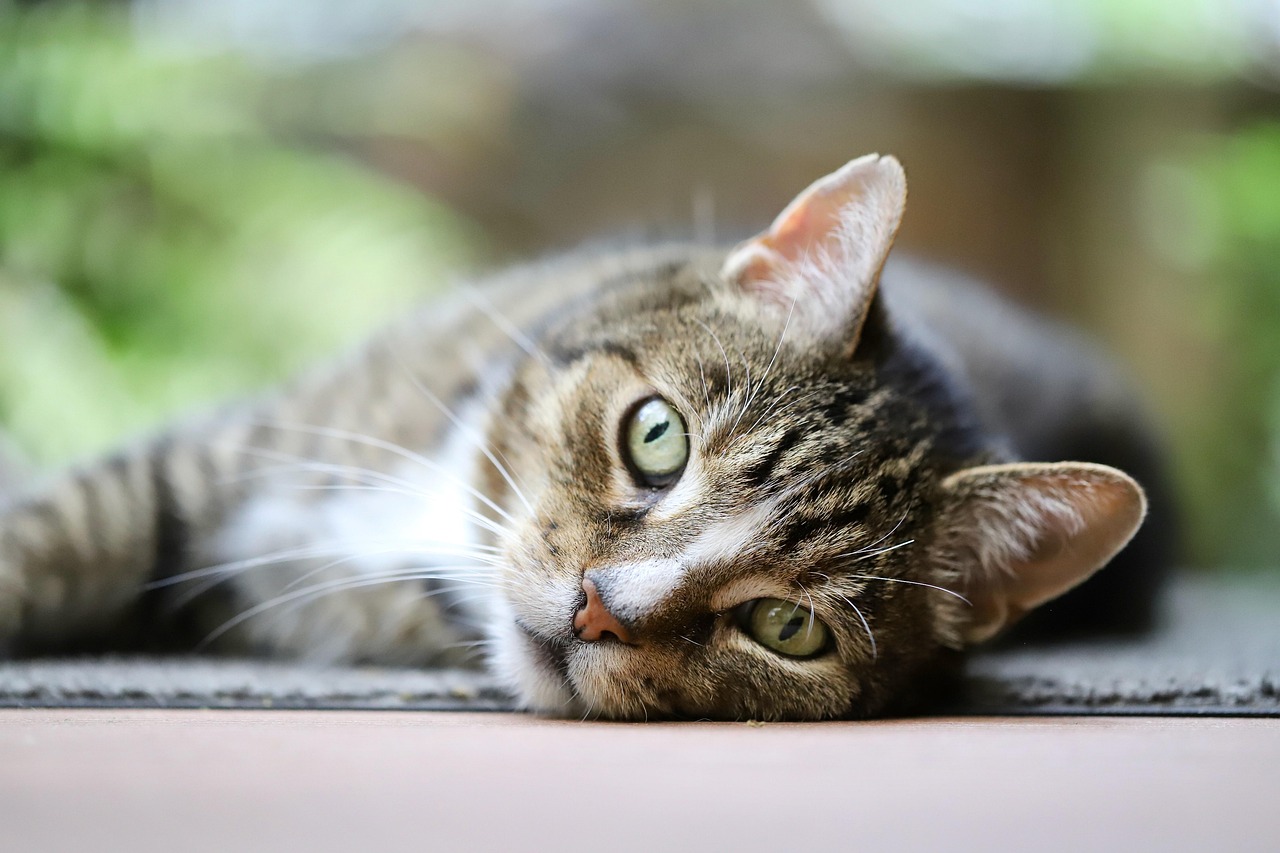
Preventive Measures for Your Feline Friend
As a pet owner, the health and well-being of your feline friend is likely one of your top priorities. Cats are curious and agile creatures, but they can still encounter health risks that require proactive measures. Taking steps to prevent issues can lead not only to a longer and healthier life for your cat but also to reduced veterinary bills and less stress for you. In this article, we’ll explore essential preventive measures you should take to safeguard your feline companion’s health, focusing mainly on common issues that affect cats.
Vaccinations: Your First Line of Defense
Vaccinations are crucial in preventing various infectious diseases in cats. Core vaccines are recommended for all felines, regardless of their lifestyle. These include:
- Feline calicivirus and feline herpesvirus: Both viruses cause upper respiratory infections in cats.
- Panleukopenia (feline distemper): A highly contagious and potentially life-threatening disease caused by the feline parvovirus.
- Rabies: A fatal virus that can be transmitted to humans.
Non-core vaccines are administered based on your cat’s environment and lifestyle. Discuss with your veterinarian which vaccines are appropriate for your pet.
Parasite Prevention: Avoiding Unwanted Guests
Parasites can affect your cat’s health in various ways, ranging from mild irritation to severe health complications. Common parasites include:
- Fleas: These can cause allergic reactions, anemia, and can transmit tapeworms.
- Ticks: These vectors can transmit diseases such as Lyme disease.
- Heartworms: Transmitted by mosquito bites, they can be fatal if not treated timely.
- Intestinal worms: Including roundworms, hookworms, and tapeworms.
Regular use of preventative treatments can help keep these parasites at bay. Consult your veterinarian to recommend a parasite control plan tailored to your cat’s needs.
Proper Nutrition: Building the Foundation of Health
A balanced diet is central to preventing many health issues in cats, including obesity, diabetes, and urinary tract diseases. Quality commercial cat foods typically offer complete nutritional benefits; however, your cat’s needs may vary based on age, weight, and health. Consider the following:
- Protein: Essential for growth and maintenance, cat food should be high in protein.
- Fats: Important for energy and the absorption of certain vitamins.
- Carbohydrates: While less crucial, they are a source of quick energy.
- Vitamins and Minerals: Necessary for various bodily functions.
Ensure fresh water is available at all times, and try to regulate the amount of treats given — treats should not constitute more than 10% of a cat’s diet.
Regular Vet Check-ups: Catching Problems Early
Regular check-ups are vital in catching potential health problems before they become serious. Bi-annual vet visits are recommended for most cats, with more frequent visits for seniors and those with chronic health issues. These examinations typically include:
- Physical examination: Checking overall body condition and identifying any unusual signs.
- Dental check: To prevent dental disease, which can lead to other health issues.
- Weight checks: Monitoring weight to quickly address weight gain or loss.
- Vaccination updates: Keeping up with necessary booster shots.
Mental Health: The Importance of Enrichment
Ensuring your cat’s mental well-being is just as important as looking after their physical health. Stress in cats can lead to various health problems, including urinary tract infections and behavioral issues. To keep your cat mentally stimulated:
- Provide interactive toys that mimic hunting activities.
- Consider setting up a cat tree or adding shelves that allow your cat to climb and explore.
- Use puzzle feeders to make mealtime stimulating.
- Regular playtime: Engage your cat in play to help release stress.
Grooming: More Than Just Good Looks
Grooming is an essential part of your cat’s health care regime. Regular brushing helps remove dirt, grease, and dead hair from their coat. It also helps to spread natural skin oils, which enhances the coat’s health and appearance. For certain breeds, like Persians, grooming prevents painful matting of the fur. Additionally, grooming sessions are an excellent opportunity for you to check for any abnormalities such as lumps, bumps, or wounds.
Conclusion
By implementing these preventive measures, you can ensure that your feline friend remains healthy, happy, and active throughout their life. Each cat is unique, and their needs can change with age and health status, so it is essential to continue communicating with your veterinarian about the best care for your pet. Proactive, preventive care not only contributes to the longevity of your cat’s life but also strengthens the bond you share with your beloved pet.