




















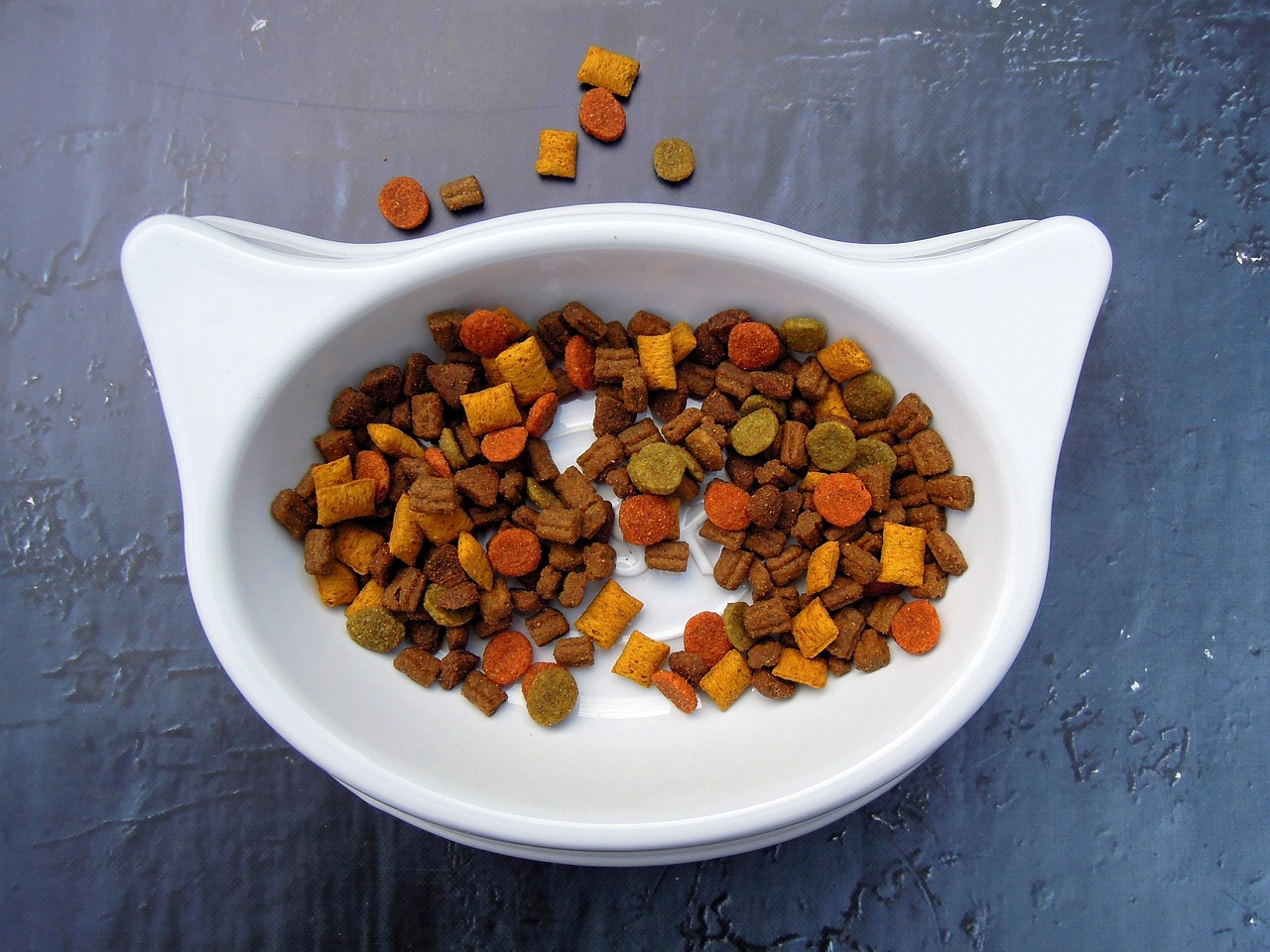
Safe and Nutritious: Everyday Foods Your Cat Can Enjoy
As a cat owner, ensuring your pet enjoys a balanced and nutritious diet is paramount. While cats require a primarily meat-based diet, incorporating certain safe human foods can provide variety and additional nutrients. This article explores everyday foods safe for cats, tips for safe feeding, and answers common questions about cat nutrition.
Understanding the Basics of Feline Nutrition
Cats are obligate carnivores, which means their diet needs to be rich in meat. However, they can enjoy other types of foods as treats or supplements to their primary diet. The key element in feline nutrition is protein from animal sources, crucial for their overall health and well-being.
Safe and Healthy Human Foods for Cats
Cooked Meat and Fish
Lean meats such as chicken, turkey, and lean cuts of beef are excellent sources of protein and are typically safe for cats when cooked plainly, without spices or sauces. Similarly, cooked fish like salmon or tuna can be a healthy treat, providing omega-3 fatty acids that support skin and coat health.
Eggs
Eggs are another potent protein source and are safe for cats if they’re cooked. Avoid raw eggs due to the risk of salmonella or E. coli.
Vegetables
Though not a natural part of a cat’s diet, some vegetables can be a low-calorie snack offering additional vitamins and minerals. Options like steamed carrots, broccoli, or asparagus can be good choices. Always chop them into small pieces to prevent choking.
Fruits
Certain fruits like blueberries, sliced apples (without seeds), and seedless watermelon can be refreshing and nutritious treats in moderation.
Foods to Avoid
Some foods can be harmful to your cat and should always be avoided. These include onions and garlic, which can cause blood cell damage, and chocolate or caffeine, which are toxic. Furthermore, ensure that foods like grapes, raisins, and artificial sweeteners (xylitol) are out of your cat’s reach as they can be extremely detrimental to their health.
Best Practices for Feeding Your Cat Human Food
Consult Your Vet
Before introducing new foods to your cat’s diet, it’s essential to consult with your veterinarian to ensure it is appropriate given their health and nutritional needs.
Mind the Portions
Treats should not make up more than 10% of your cat’s total caloric intake to avoid nutritional imbalances and weight gain. Use moderation when feeding human food, emphasizing its role as a treat rather than a meal.
Introduce Foods Gradually
Introducing any new food gradually is crucial to monitor reactions and avoid gastrointestinal upset. Start with small amounts and increase slowly if there are no adverse effects.
Common Questions About Feeding Cats Human Food
Can cats eat dog food?
Dog food isn’t suitable for long-term feeding to cats because it typically lacks adequate protein levels and essential nutrients like taurine, crucial for cats’ heart and eye health.
Is it safe to feed my cat dairy?
Many cats are lactose intolerant, meaning they can’t properly digest lactose in cow’s milk. Dairy products often cause diarrhea or digestive upset in cats, so it’s best to avoid them.
How often can I treat my cat with human food?
Keep treats sporadic and special. You might consider human food treats once a week or on special occasions, ensuring they replace no more than 10% of their regular diet.
Conclusion
While cats should primarily eat specially formulated cat food, occasional treats from your plate can be safe, assuming they’re suitable for feline consumption. Always double-check which foods are safe, watch the portions, and seek guidance from your vet. With careful selection, you can enjoy sharing occasional human food goodies with your furry friend without compromising their health.
This structured approach incorporates essential nutrients, dietary caution, and integrates keywords efficiently to aid in optimizing search engine visibility while ensuring the content remains engaging and informative for readers.