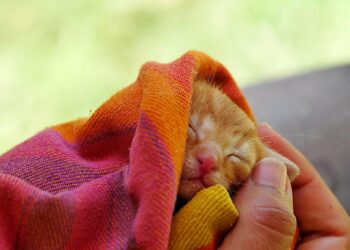





















Safe Snacks and Toxic Treats: What Cats Can and Cannot Eat
As a cat owner, you’re likely aware of your pet’s quirks and preferences, especially when it comes to their diet. However, the challenge often lies in discerning which foods are safe and which could pose a hazard to their health. In this comprehensive guide, we’ll explore what cats can eat safely as well as what foods to avoid to ensure the health and happiness of your feline friend.
The Basics of a Cat’s Diet
Before diving into specifics, it’s crucial to understand the dietary essentials for cats. Cats are obligate carnivores, which means their diet mostly relies on meat. The ideal cat diet is rich in proteins and amino acids, and they have specific nutritional needs that might not be met by human foods.
Essential Nutrients for Cats:
- Proteins: Critical for growth and maintenance.
- Fats: Source of energy and aids in absorption of vitamins.
- Vitamins: Vital for metabolic functioning.
- Minerals: Important for bodily functions, like communication between cells.
Safe Human Foods for Cats
Many cat owners are tempted to treat their pets with bits from their own meals. Here’s a list of human foods that are safe for cats in moderation:
1. Cooked Meat and Fish
Good sources of protein like chicken, turkey, lean beef, and fish can be excellent treats for your cat. However, ensure these are cooked well and not seasoned to avoid any health issues.
2. Vegetables
Although not a natural part of a cat’s diet, some vegetables can be a healthy snack for cats. Carrots, peas, and broccoli can be given, but only in small amounts and should be cooked to avoid choking.
3. Fruits
Small quantities of certain fruits like apples, blueberries, and melons serve as great treats but should be given without seeds and pits.
Toxic Foods: What Cats Cannot Eat
Knowing what foods are toxic for cats is imperative for preventing possible life-threatening situations. Here is a detailed list of foods to avoid:
1. Chocolate and Caffeine
These contain substances like theobromine and caffeine which are very toxic to cats. Even small amounts can cause severe symptoms or even death.
2. Onion and Garlic
All members of the onion family can break down a cat’s red blood cells, leading to anemia. This is true for raw, cooked, or powdered forms.
3. Alcohol and Raw Dough
Alcohol in any form can be dangerous for your pet, and so is raw bread dough which can expand in your cat’s stomach, causing pain or more serious issues.
4. Grapes and Raisins
Though the toxic substance is unknown, grapes and raisins can cause kidney failure in cats.
5. Xylitol
This sweetener found in many sugar-free products can cause insulin spike and liver failure in cats.
Frequently Asked Questions About Cat Diets
Can cats have milk?
Contrary to popular belief, many cats are lactose intolerant. Milk and other dairy products can cause digestive problems and should generally be avoided.
How often should I feed my cat?
It depends on their age, health, and diet type. Typically, adult cats do well with two meals per day, but always consult your vet for advice tailored to your cat’s needs.
Are there any benefits to feeding my cat homemade food?
Homemade diets can be beneficial as they allow you to control the ingredients and avoid preservatives and unknown substances in commercial cat foods. However, it’s essential to consult a veterinarian to make sure your homemade meals meet your cat’s nutritional requirements.
Conclusion
Understanding what cats can and cannot eat is crucial for maintaining their health and wellness. While there are numerous safe human foods that can be shared with your cats, it’s vital to keep the toxic treats out of their reach. Always integrate safe foods into their diet intermittently and in moderation, ensuring their diet predominantly consists of high-quality cat food that satisfies their nutritional needs.
Consulting with a vet before introducing new foods to your cat’s diet is always a good practice. By staying informed and cautious, you can enjoy the peace of mind that comes with knowing you are providing the best care for your feline friend.