




















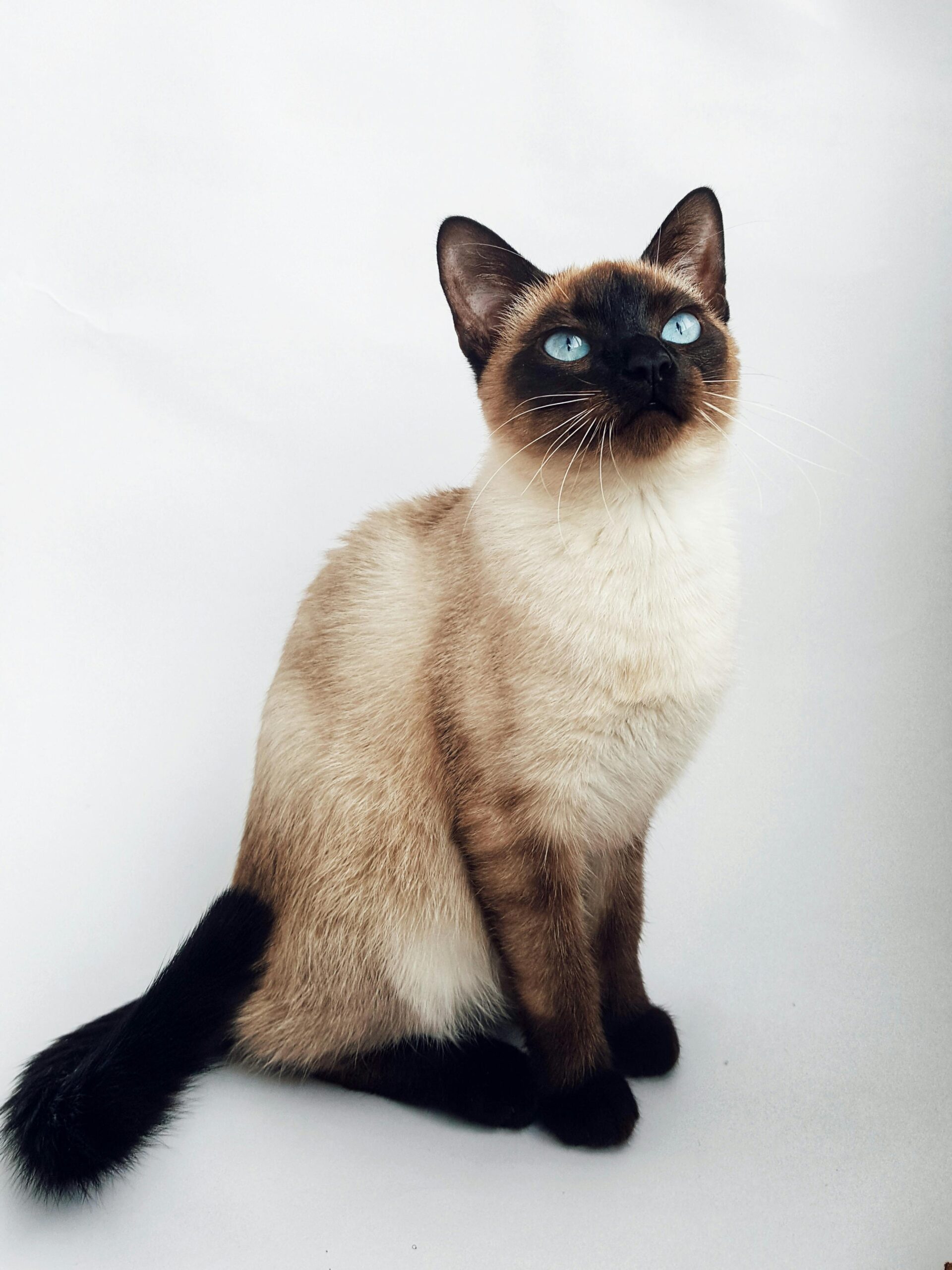
Understanding Feline Behavior: How Vaccinations Influence Your Cat’s Mood and Activity
As cat owners, understanding the nuances of feline behavior is crucial for ensuring the well-being and happiness of our furry friends. In this comprehensive article, we delve into an often-overlooked aspect of cat care—how vaccinations can affect your cat’s mood and activity levels. By the end of this read, you’ll have greater insight into your cat’s health and behavior, helping you to cultivate a nurturing environment for your pet.
Introduction to Feline Vaccinations
Vaccinations play a pivotal role in protecting your cat from various diseases, including rabies, feline leukemia virus (FeLV), and feline infectious enteritis. While the immediate benefit of immunizations is apparent in terms of health, many cat owners are unaware of the potential short-term side effects that vaccines can have on their cat’s behavior and activity levels.
Understanding Vaccine-Related Behavioral Changes
Behavioral changes post-vaccination can occasionally be observed in cats. These changes are typically mild and transient. Understanding these behavioral signs is crucial for any pet owner.
Mood Swings and Irritability
After a vaccination, your cat might display signs of irritability or mood swings. This can include hissing, swatting, or a reluctance to be touched. This behavior is generally a result of the discomfort or slight pain at the injection site.
Lethargy and Decreased Activity
One of the most common observations by cat owners is a decrease in their pet’s activity level following a vaccination. Your usually playful cat may seem tired, less interested in active engagement, or could simply sleep more than usual. This lethargy often reflects the cat’s immune system working at a higher rate to respond to the vaccine, which can temporarily wear them out.
Decreased Appetite
It’s not uncommon for cats to eat less following their vaccinations. This can be a direct consequence of feeling under the weather—an overall effect of the immune system’s activation to the vaccine components. Monitoring your cat’s eating habits is important; while a day of reduced appetite can be normal, prolonged disinterest in food warrants a consultation with your vet.
Managing Vaccine-Related Mood and Activity Changes
Observing any changes in your cat after vaccination is essential. Here are some tips on how to manage and minimize discomfort, ensuring your cat remains comfortable and stress-free.
Provide a Quiet Space
After returning home from the vet, set up a quiet, comfortable space where your cat can rest undisturbed. This can help them cope better with the temporary side effects of a vaccination.
Use Pain Relief if Necessary
If your vet agrees, administering prescribed pain relief can help manage any discomfort your cat may experience post-vaccination. Never give human medication to cats without veterinary approval as this can be harmful.
Maintain Hydration
Keep fresh water available at all times to encourage your cat to stay hydrated. This is especially important if they’re experiencing decreased appetite.
When to Consult Your Veterinarian
While most vaccination side effects are mild and resolve on their own, it is important to know when to seek further veterinary assistance. If your cat shows severe lethargy, ongoing refusal to eat, or signs of an allergic reaction like difficulty breathing or swelling, it is crucial to contact your veterinarian immediately.
Frequently Asked Questions
How long do vaccine side effects last in cats?
Typically, any side effects from vaccinations are short-lived, lasting only 1-2 days. However, if symptoms persist beyond this, it would be prudent to consult your veterinarian.
Can vaccinations cause long-term behavioral changes in cats?
In most cases, vaccinations do not cause lasting behavioral changes. However, if you notice significant or prolonged alterations in your cat’s behavior, discuss them with your vet.
What are the risks of not vaccinating my cat?
Choosing not to vaccinate your cat poses significant health risks, exposing them to potentially fatal diseases. Vaccinations are a crucial element of responsible pet care, preventing serious health issues and outbreaks of preventable diseases.
Conclusion
While vaccinations are essential for your cat’s health, being cognizant of how they may temporarily affect your cat’s mood and activity can help you manage post-vaccine care effectively. Most cats recover from vaccine-related side effects promptly, and with the right care, your cat will be back to its normal self in no time. Remember, a well-informed cat owner is a cat’s best ally in health and happiness.
For more insights into feline care and behavior, stay informed by regularly visiting reputable pet health resources and always keep an open line with your vet.